


Supporting Families. Strengthening Stability. Building Resilient Communities.
The Hunger Relief & Food Security program supports individuals, families, and communities facing food insecurity by helping connect people with food assistance, community resources, volunteers, and trusted partners. The D’Andre D. Lampkin Foundation recognizes that access to food is one of the most basic foundations of dignity, health, stability, and resilience.
Food insecurity affects more than a person’s next meal. It can influence a family’s health, a child’s ability to learn, a senior’s ability to age safely, and a household’s ability to recover from financial hardship, illness, job loss, disaster, or other life challenges. Through this program, the Foundation works to strengthen the local safety net and support families during times of need.
Why This Program Matters
No individual or family should have to face hunger alone. Yet many households experience moments when income, housing costs, medical expenses, transportation barriers, caregiving responsibilities, or unexpected emergencies make it difficult to consistently access nutritious food.
Food insecurity can create stress across every part of life. Parents may skip meals so children can eat. Seniors may struggle to stretch limited income. Families recovering from disaster or financial hardship may need temporary support while they regain stability. For children and youth, hunger can affect learning, behavior, health, and long-term opportunity.
The Hunger Relief & Food Security program exists because strong communities depend on people having access to basic needs, trusted support, and a pathway toward stability.

What the Foundation Does
The D’Andre D. Lampkin Foundation supports hunger relief and food security through community-based service, volunteer engagement, resource coordination, and partnerships.
This work may include:
- food distribution support
- pantry-based assistance
- emergency food relief
- outreach to families facing hardship
- resource referrals and community connection
- volunteer mobilization
- partnerships with public agencies, nonprofits, faith-based organizations, businesses, and community groups
- support for families affected by emergencies, disasters, or financial instability
The Foundation’s approach is rooted in dignity. Hunger relief is not only about distributing food; it is about recognizing people’s humanity, reducing stress, and helping families feel supported during difficult moments.
A Legacy of Service Through Food Assistance
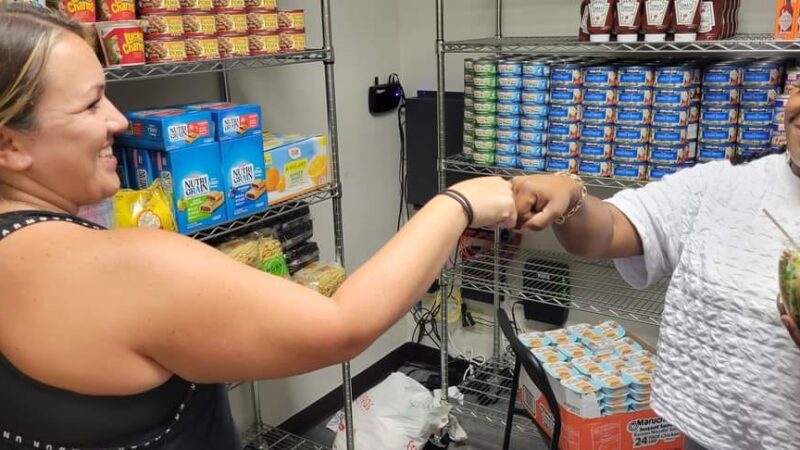
Food security has been one of the Foundation’s most visible and meaningful areas of service. Over the years, the Foundation has worked to support families through food assistance efforts, volunteer-driven distributions, pantry operations, and community partnerships.
This work has helped the Foundation become a trusted resource for residents and partners seeking reliable, compassionate support. The Foundation’s food security efforts reflect a deep commitment to showing up consistently for families, especially during times when access to food and essential resources becomes uncertain.
As the Foundation continues to grow, the Hunger Relief & Food Security program remains central to its mission of building stronger, more resilient communities.
Food Security and Community Resilience
Food security is a critical part of community resilience. When families have access to food, they are better able to manage hardship, care for children and loved ones, maintain health, and recover from crisis.
Food systems are also vulnerable during disasters, economic disruptions, public health emergencies, and community-wide crises. A resilient community must be able to support residents when access to food is interrupted or when families face sudden hardship.
The Foundation’s food security work connects directly to its broader efforts in disaster relief and recovery, health and wellness, youth development, community service, volunteerism, and the future Center for Community Resilience.
Who This Program Serves
The Hunger Relief & Food Security program serves individuals and families who may be experiencing food insecurity, financial hardship, emergency need, or barriers to accessing basic resources.
This may include:
- families with children
- seniors
- people with disabilities
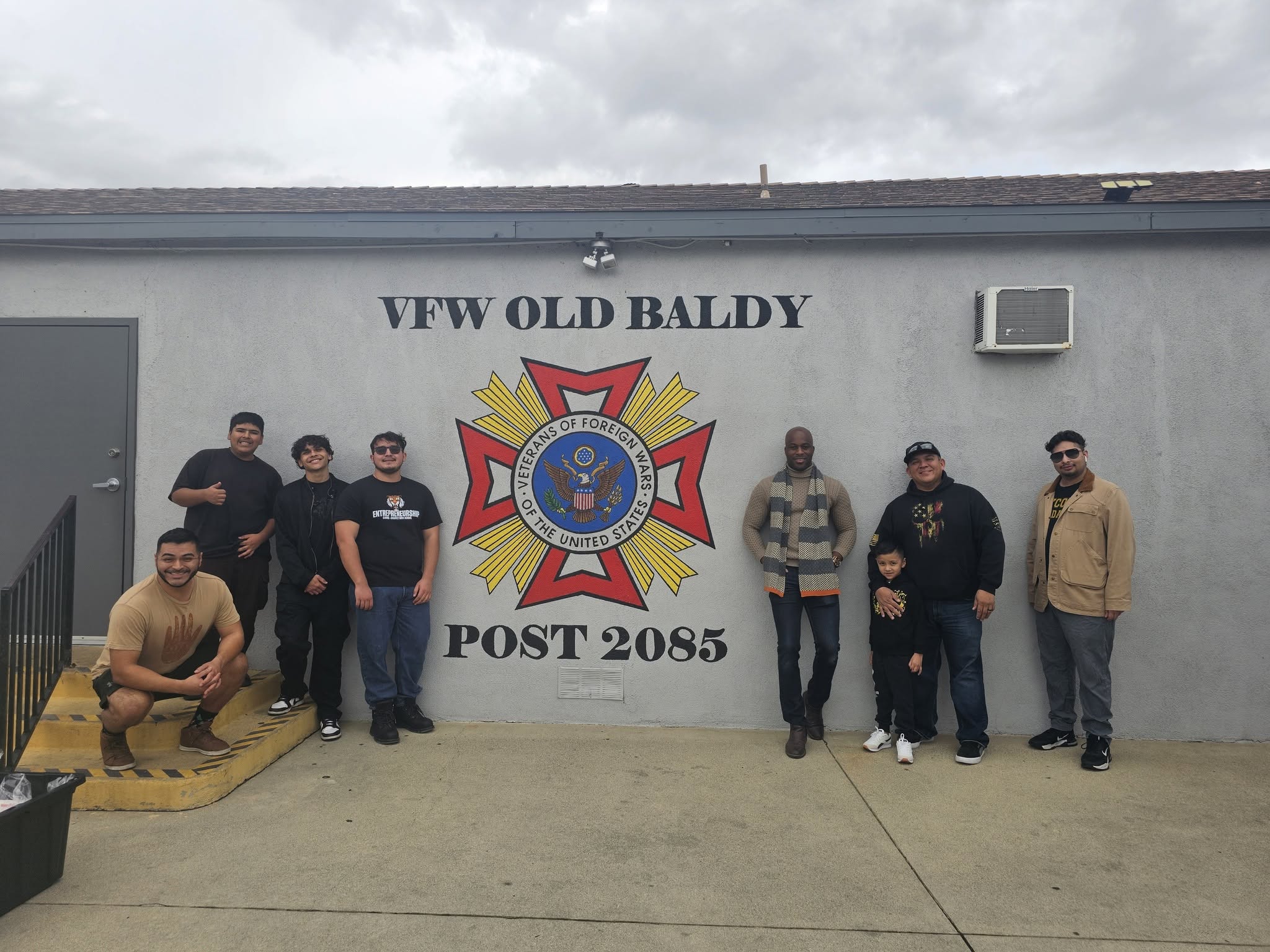
- veterans
- individuals experiencing unemployment or reduced income
- families affected by disasters or emergencies
- residents facing housing or transportation challenges
- medically vulnerable individuals
- community members navigating temporary hardship
The program is designed to meet people with compassion, dignity, and respect.
Program Priorities
The Hunger Relief & Food Security program focuses on:
- reducing hunger and food insecurity
- supporting families facing hardship
- strengthening local food assistance networks
- mobilizing volunteers for food-related service
- connecting residents with trusted community resources
- supporting food access during emergencies and disasters
- promoting dignity and compassion in service delivery
- building partnerships that strengthen the community safety net

Volunteerism and Community Service
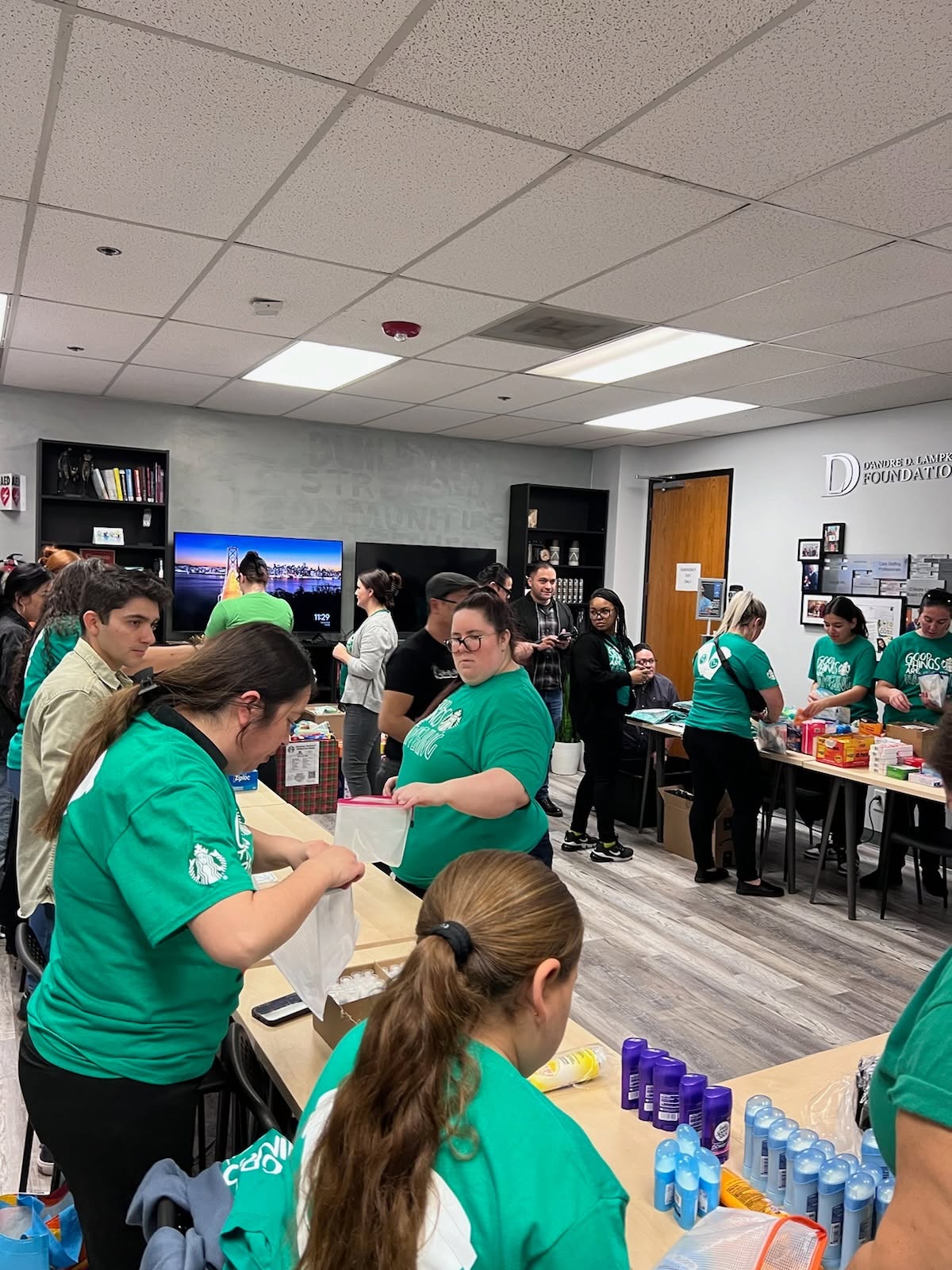
Volunteers are essential to the Foundation’s hunger relief work. Through their time, energy, and compassion, volunteers help turn concern into action.
Volunteer support may include helping with food distributions, organizing supplies, assisting with outreach, supporting community events, connecting residents with resources, and helping the Foundation respond when families need support.
The Hunger Relief & Food Security program reflects the Foundation’s belief that resilient communities are built by people who are willing to serve one another.
Partnerships That Strengthen the Safety Net
Food security work is strongest when organizations work together. The Foundation values partnerships with nonprofits, public agencies, schools, businesses, faith-based organizations, civic leaders, donors, sponsors, and volunteers who share a commitment to helping families thrive.
These partnerships help expand access to food, strengthen resource networks, reduce duplication, and ensure that families are connected to support beyond a single moment of need.
By working together, community partners can create a stronger and more reliable safety net for individuals and families facing hardship.
Building Toward the Center for Community Resilience
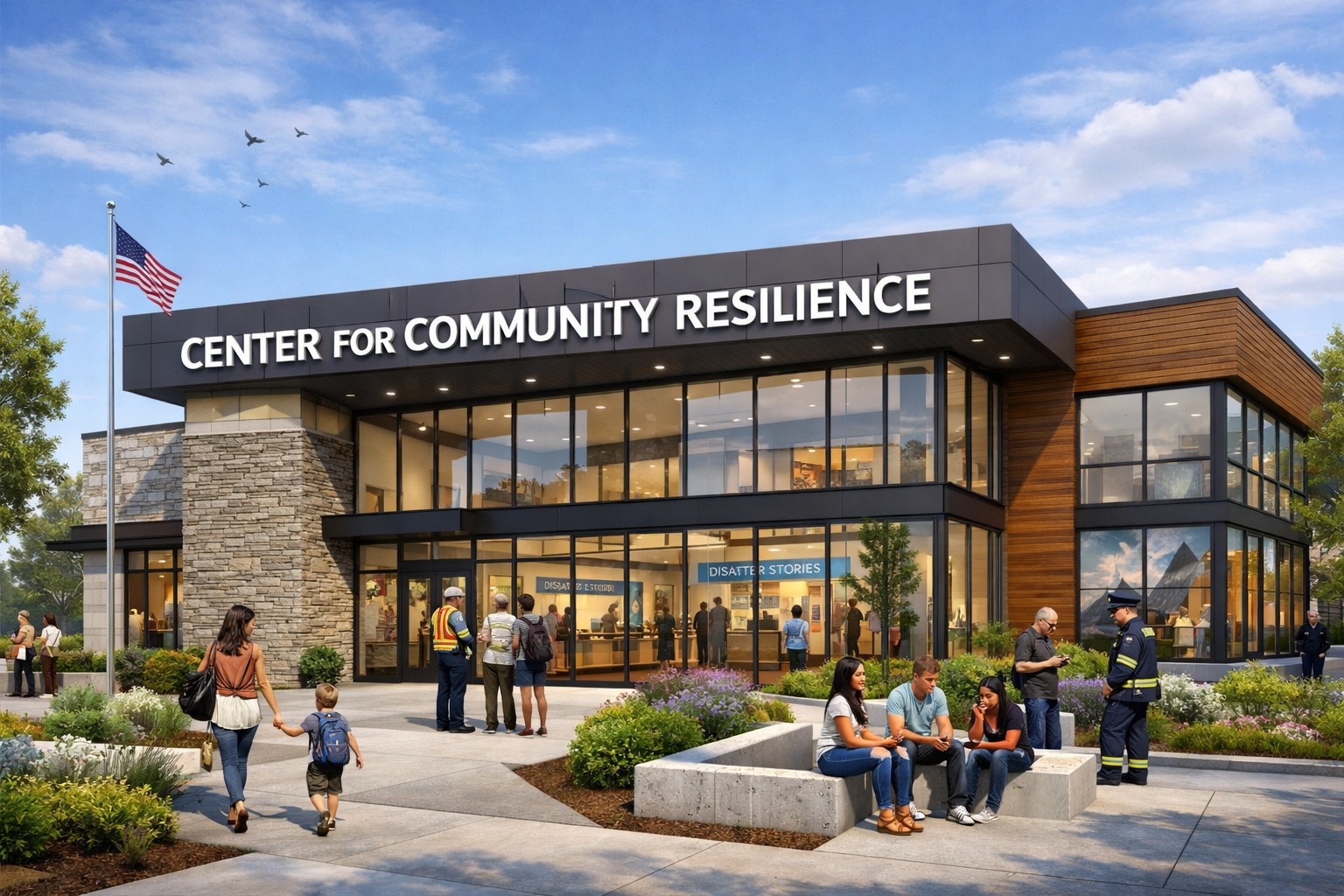
The Foundation’s hunger relief and food security work is closely connected to the vision for the Center for Community Resilience. The Center is intended to become a place where families can access support, resources, education, volunteer service, and community-based solutions under one coordinated framework.
Food security will remain an important part of that vision because access to food is foundational to stability, recovery, health, and opportunity.
How You Can Help
The Hunger Relief & Food Security program depends on donors, volunteers, sponsors, businesses, public agencies, faith-based partners, nonprofit organizations, and community members who believe that no family should face hunger alone.
Your support can help provide food assistance, strengthen outreach, support volunteer service, expand partnerships, and help the Foundation continue serving families during times of need.