


Supporting Families. Strengthening Stability. Building Resilient Communities.
Food security is one of the most basic foundations of community resilience. When individuals and families have reliable access to food and essential resources, they are better able to maintain stability, care for their health, support their children, and participate fully in community life.
The D’Andre D. Lampkin Foundation recognizes that food insecurity is not simply a matter of hunger. It is connected to housing stability, employment, health, transportation, disaster recovery, family well-being, and economic opportunity. Through food assistance, community partnerships, volunteer service, and resource connection, the Foundation works to help reduce hardship while strengthening the safety net for individuals and families in need.
Why Food Security Matters
Food insecurity affects more than the dinner table. It impacts health, education, family stability, mental well-being, and a person’s ability to recover from hardship.
Families facing food insecurity may also be navigating job loss, rising living costs, medical needs, transportation barriers, caregiving responsibilities, or the effects of emergencies and disasters. When food access becomes uncertain, stress increases and other challenges become harder to overcome.
Food security helps communities:
- reduce hardship for families and individuals
- support children’s health and learning
- strengthen household stability
- improve community well-being
- support disaster recovery and emergency response
- connect people to additional resources
- build trust through compassionate service
- strengthen the community safety net
A resilient community is one where people do not have to face basic needs alone.
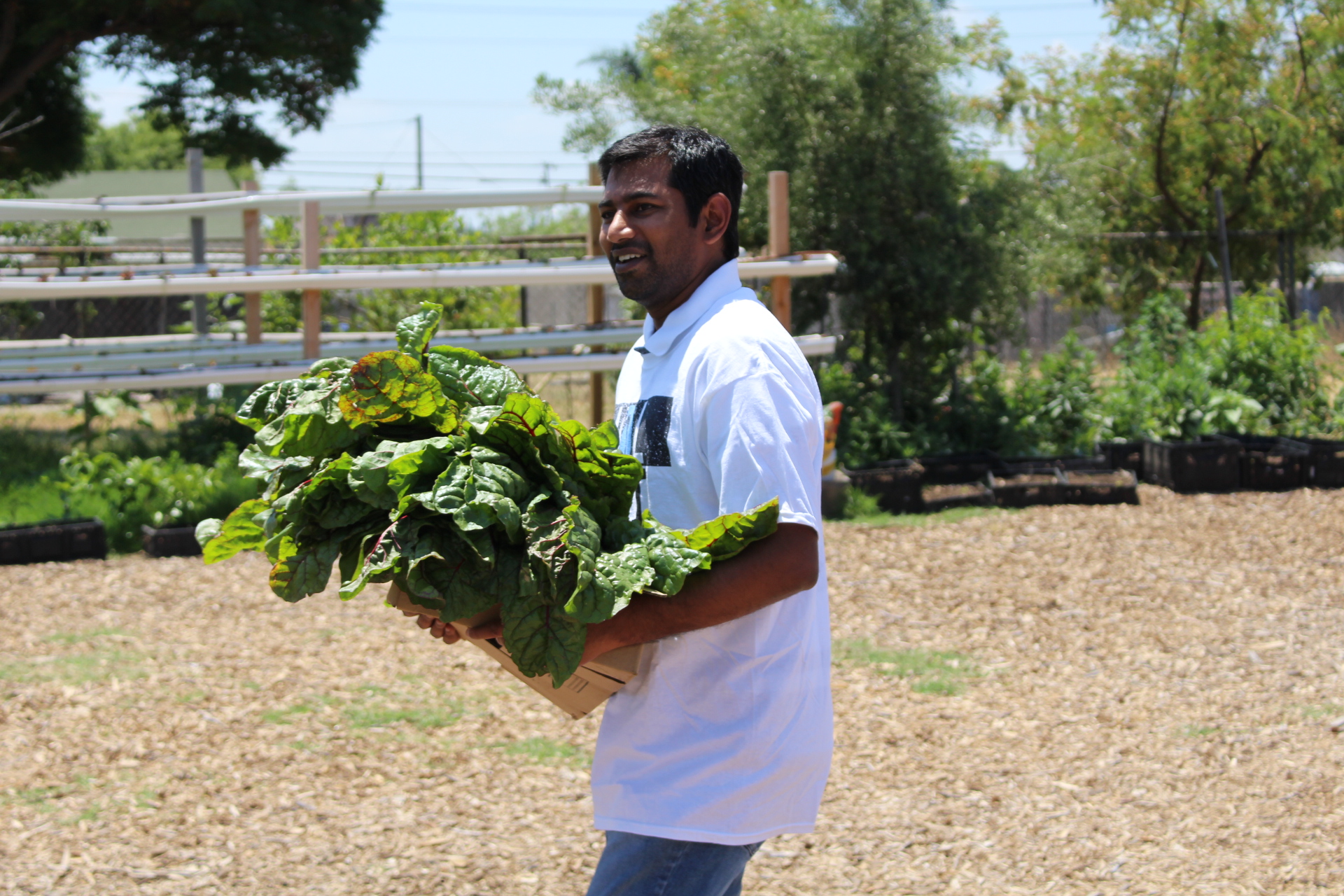
Our Approach to Food Security
The Foundation approaches food security through service, dignity, partnership, and resilience. Our goal is not only to provide temporary support during moments of need, but to help connect individuals and families with resources, relationships, and community support systems that strengthen long-term stability.
Our food security efforts may include:
- food distribution and pantry support
- emergency food assistance
- community resource referrals
- volunteer-driven service projects
- partnerships with food banks, nonprofits, businesses, faith communities, and public agencies
- support for families affected by hardship, emergencies, or disaster recovery
- public awareness about food insecurity and community needs
- connection to broader resilience initiatives
This work reflects the Foundation’s belief that meeting basic needs is one of the first steps toward building stronger, healthier, and more resilient communities.
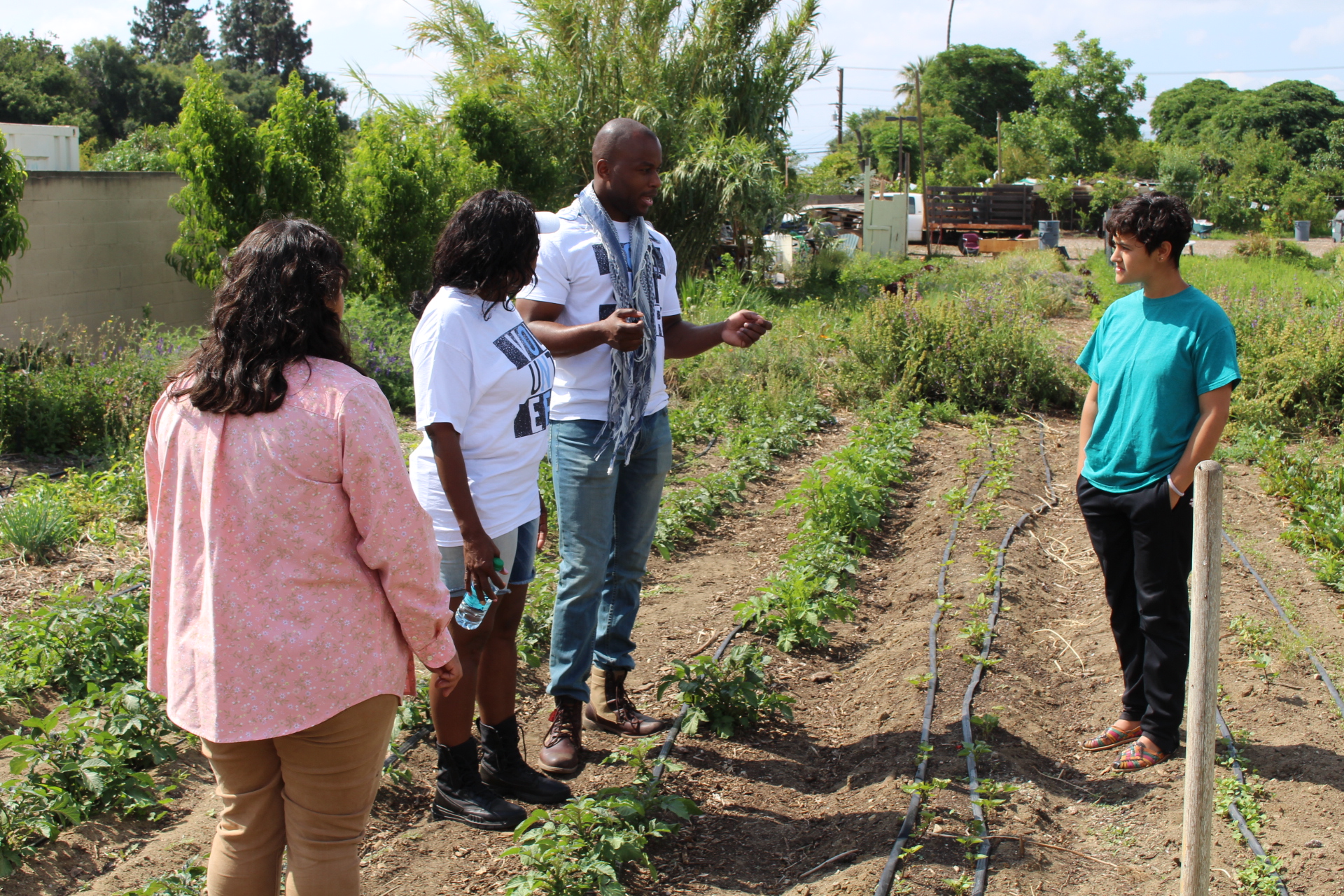
Food Security and Community Resilience
Food security is deeply connected to community resilience. In times of crisis, access to food can determine whether families are able to remain stable, recover quickly, and avoid deeper hardship. During everyday life, reliable food access helps reduce stress, improve health, and strengthen the ability of individuals and families to plan for the future.
The Foundation’s food security work supports resilience by helping communities become more connected, more compassionate, and better prepared to care for one another.
Food security is connected to:
- emergency preparedness
- health and wellness
- youth development
- economic stability
- disaster recovery
- volunteerism
- community partnerships
- public trust
When food systems are strong, communities are stronger.
Volunteer-Driven Service
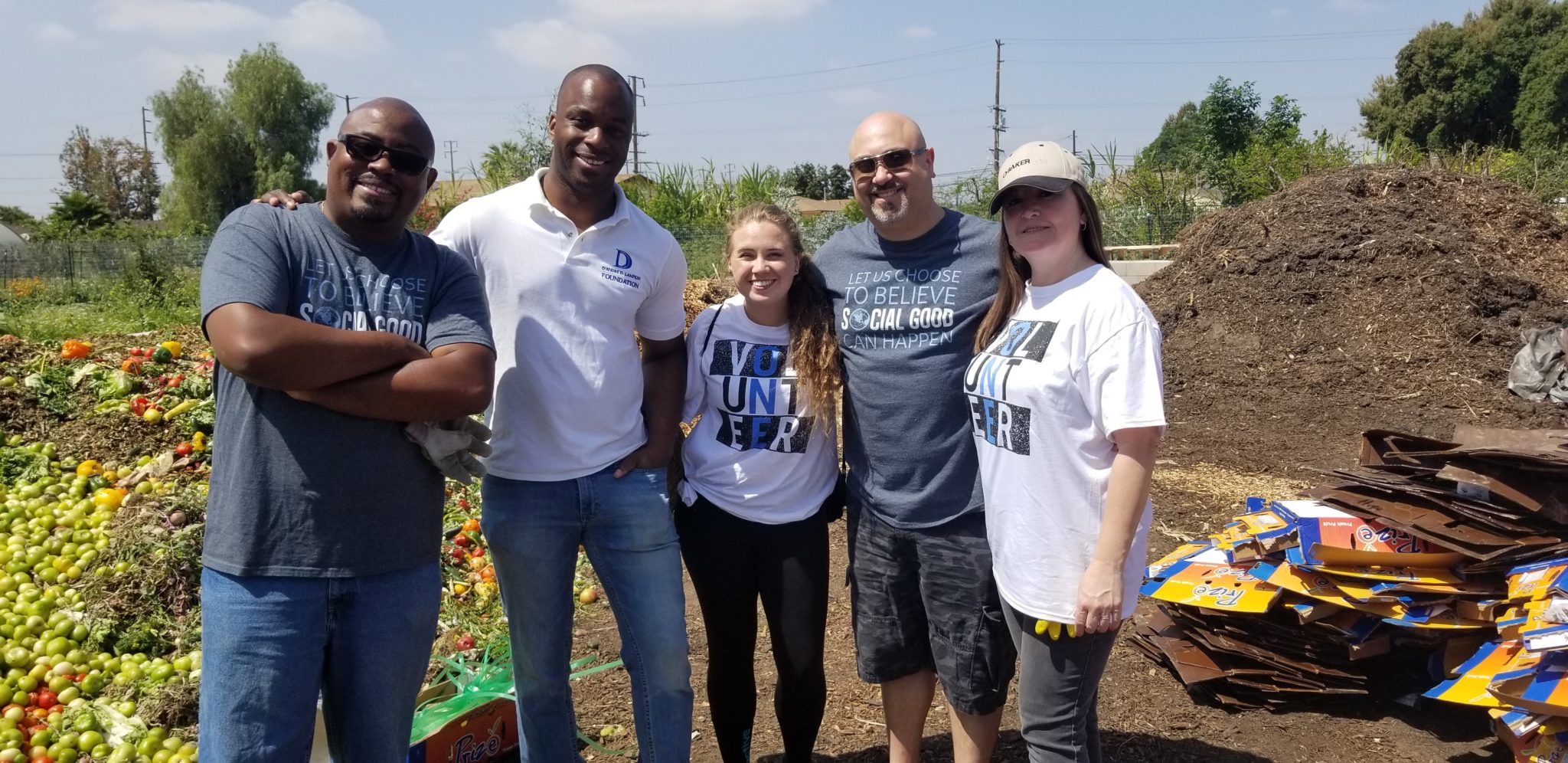
Volunteers are central to the Foundation’s food security efforts. Through their time, compassion, and commitment, volunteers help transform concern into action.
Whether assisting with food distribution, organizing supplies, supporting community events, helping connect families to resources, or serving alongside partner organizations, volunteers help make food security work possible.
The Foundation believes volunteerism is more than service. It is a way of building relationships, strengthening trust, and reminding people that they are not forgotten.
Partnerships That Strengthen the Safety Net
Food security cannot be solved by one organization alone. It requires collaboration among residents, volunteers, nonprofits, businesses, faith-based organizations, educators, food providers, public agencies, and community leaders.
The D’Andre D. Lampkin Foundation works to strengthen partnerships that improve access to food, expand community support, and help families connect to resources before hardship becomes crisis.
Through partnership, communities can build stronger systems of care and better respond to both everyday needs and emergency conditions.
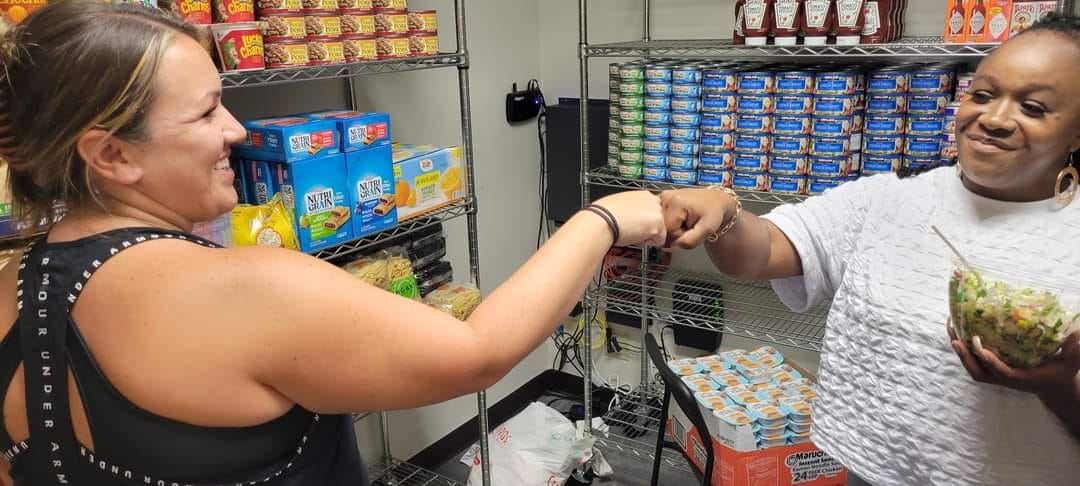
Supporting Families With Dignity
Food assistance should always be rooted in dignity. The Foundation believes that individuals and families seeking support should be met with compassion, respect, and understanding.
Food insecurity can affect anyone. A job loss, medical emergency, rising costs, family crisis, disaster, or unexpected hardship can quickly place people in need of support. By approaching food security with dignity and care, the Foundation helps create spaces where people feel seen, supported, and valued.
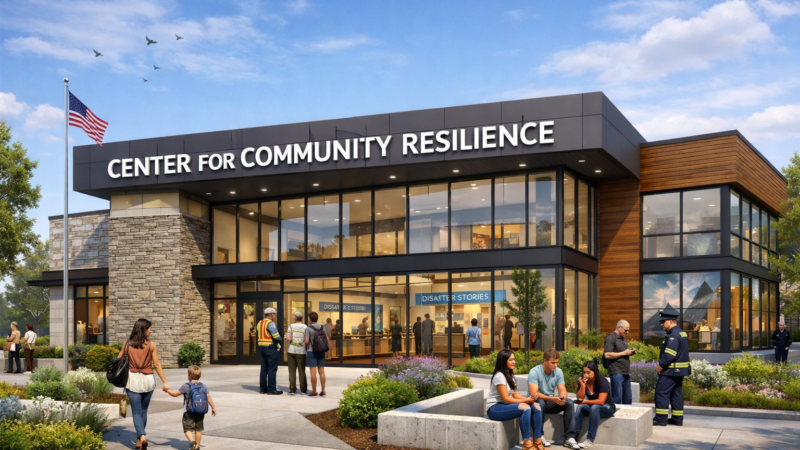
Building Toward the Center for Community Resilience
The Foundation’s long-term vision for the Center for Community Resilience includes food security as an essential part of community support. The Center is envisioned as a place where food assistance, preparedness education, volunteer service, public awareness, and community partnerships can come together to support individuals and families more effectively.
By connecting food security to broader resilience work, the Foundation seeks to address immediate needs while also helping communities become stronger over time.
How You Can Help
Food security work depends on people who are willing to serve, give, sponsor, partner, and advocate.
You can help strengthen food security by:
- donating to support food assistance initiatives
- volunteering during food distribution or community service efforts
- sponsoring food security programs
- partnering with the Foundation
- sharing information about available resources
- helping identify community needs
- supporting long-term resilience initiatives
Every contribution helps ensure that families and individuals facing hardship have access to support, dignity, and hope.