


Helping Communities Prepare, Respond, and Recover
Disaster preparedness is a critical part of community resilience. Emergencies can affect families, neighborhoods, businesses, schools, faith communities, and public agencies in ways that disrupt daily life and create long-term challenges. The D’Andre D. Lampkin Foundation believes preparedness is not only about supplies or emergency plans — it is about building informed, connected, and supported communities before disaster strikes.
Through public education, community partnerships, volunteer engagement, and resilience-focused initiatives, the Foundation works to help individuals and families better understand risk, prepare for emergencies, and strengthen their ability to recover from hardship.
Why Disaster Preparedness Matters
Disasters do not affect everyone equally. Families with limited resources, older adults, individuals with disabilities, children, unhoused residents, medically vulnerable individuals, and communities already facing economic or social challenges may experience greater hardship before, during, and after emergencies.
Preparedness helps reduce that vulnerability.
When communities are informed, connected, and equipped, they are better able to protect lives, support neighbors, communicate during emergencies, and begin the recovery process more quickly.
Disaster preparedness helps communities:
- understand local risks
- create family emergency plans
- build emergency supply kits
- strengthen communication networks
- support vulnerable residents
- prepare volunteers and community leaders
- coordinate with public agencies and nonprofit partners
- recover with greater stability and confidence
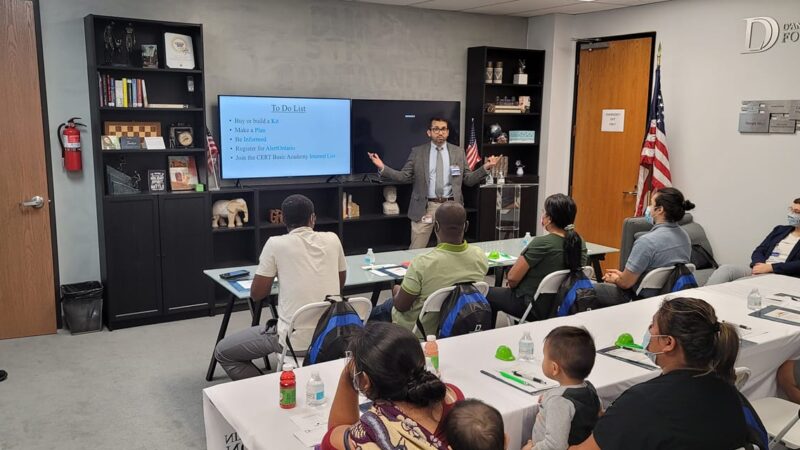
Our Approach to Disaster Preparedness
The D’Andre D. Lampkin Foundation approaches disaster preparedness through the lens of community resilience. That means we focus not only on emergency response, but also on the relationships, resources, education, and partnerships that help communities withstand and recover from disruption.
Our disaster preparedness efforts may include:
- emergency preparedness education
- community resilience workshops
- volunteer readiness initiatives
- resource distribution and public awareness
- disaster recovery support
- neighborhood preparedness outreach
- partnerships with public agencies, nonprofits, schools, businesses, and faith-based organizations
- support for families and communities affected by emergencies
The goal is simple: help communities become more prepared before a crisis, more connected during a crisis, and more resilient after a crisis.
Preparedness Begins at the Community Level
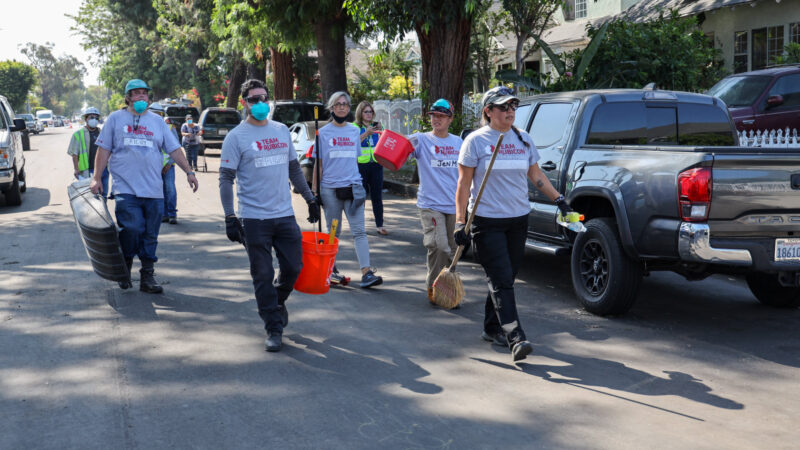
Strong emergency plans begin with individuals and families, but lasting resilience depends on community connection. Neighbors often become the first source of support when disasters occur. Local nonprofits, businesses, schools, and faith-based organizations can also play a critical role in helping communities respond to urgent needs and begin recovery.
The Foundation supports preparedness efforts that encourage people to know their neighbors, understand available resources, identify vulnerable community members, and participate in service opportunities that strengthen local readiness.
Preparedness is not just a government responsibility. It is a shared responsibility.
Building Capacity Before Crisis
The Foundation’s disaster preparedness work supports the long-term vision for the Center for Community Resilience, a place where community members, volunteers, and partners can come together for preparedness education, resource coordination, volunteer engagement, and community support.
The Center is envisioned as a hub where preparedness and service meet — helping residents strengthen their readiness while also supporting broader community needs such as food security, public education, youth development, health and wellness, and civic engagement.
Preparedness Focus Areas
Family & Household Preparedness
Helping families understand basic preparedness steps, including emergency planning, communication, supplies, evacuation considerations, and ways to support children, older adults, pets, and medically vulnerable household members.
Neighborhood Readiness
Encouraging neighbors to build relationships, share information, identify local needs, and create informal support networks that can help during emergencies.
Volunteer Readiness
Preparing volunteers to serve safely and effectively during community events, resource distribution, disaster recovery efforts, and resilience-focused initiatives.
Community Recovery
Supporting long-term recovery by helping communities reconnect to resources, rebuild trust, restore stability, and strengthen local partnerships after disruption.
Public Education
Providing accessible information and outreach that helps community members understand risks, prepare early, and take practical steps to protect themselves and others.
How You Can Prepare
Everyone has a role in building a more resilient community. Preparedness can begin with simple steps:
- Create a family emergency plan.
- Build or refresh an emergency supply kit.
- Know how to receive emergency alerts.
- Identify evacuation routes and meeting locations.
- Keep important documents accessible.
- Check on neighbors, older adults, and vulnerable residents.
- Learn basic first aid and safety skills.
- Volunteer with trusted community organizations.
- Stay informed before, during, and after emergencies.
Preparedness is not about fear. It is about responsibility, confidence, and care for one another.
Get Involved
You can help strengthen disaster preparedness and community resilience by volunteering, supporting preparedness education, sponsoring resilience initiatives, or partnering with the Foundation.