


Free tools, guides, and preparedness resources to help communities become stronger before, during, and after crisis.
The D’Andre D. Lampkin Foundation provides free community resilience resources to help individuals, families, neighborhoods, volunteers, schools, faith-based organizations, civic groups, and community partners prepare, organize, and support one another.
These resources are designed to make resilience practical. Whether you are building a neighborhood team, preparing your household, organizing volunteers, supporting families, or helping your community respond to hardship, these tools are created to help turn concern into action.
Community resilience begins with people who are informed, connected, prepared, and willing to serve.
Featured Resource
Build a Neighborhood Resilience Team in 30 Days
A free starter toolkit to help neighbors organize, prepare, and support one another before disaster strikes.
This toolkit provides a practical 30-day roadmap for residents, neighborhood leaders, volunteers, faith communities, schools, civic groups, and local partners who want to build a small, organized team focused on preparedness, communication, and mutual support.
The resource includes guidance for:
- organizing a neighborhood resilience team
- identifying local risks and needs
- creating a phone tree
- assigning basic volunteer roles
- holding a kickoff meeting
- practicing a micro-drill
- documenting lessons learned
- connecting with emergency managers, CERT, VOAD/COAD partners, and local community institutions
Helping Communities Prepare, Respond, and Recover
Disaster preparedness is a critical part of community resilience. Emergencies can affect families, neighborhoods, businesses, schools, faith communities, and public agencies in ways that disrupt daily life and create long-term challenges. The D’Andre D. Lampkin Foundation believes preparedness is not only about supplies or emergency plans — it is about building informed, connected, and supported communities before disaster strikes.
Through public education, community partnerships, volunteer engagement, and resilience-focused initiatives, the Foundation works to help individuals and families better understand risk, prepare for emergencies, and strengthen their ability to recover from hardship.
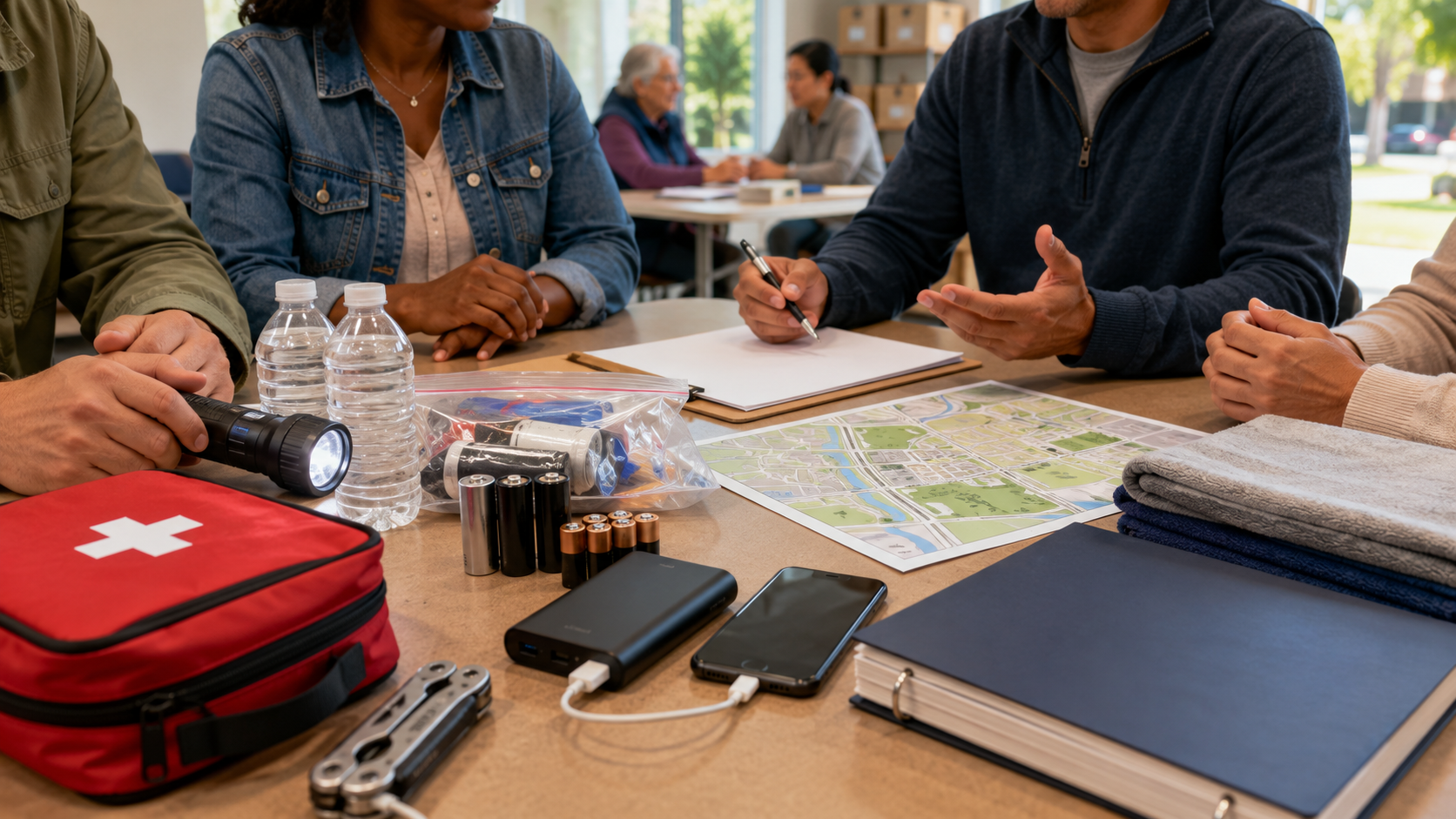
Preparedness Toolkits
Step-by-step guides designed to help residents, volunteers, and community groups prepare before emergencies occur.
Volunteer Resources
Resources to help volunteers serve safely, effectively, and with dignity.
Family & Household Readiness
Practical resources to help families prepare for emergencies, protect important information, communicate during disruptions, and support children, seniors, people with disabilities, and medically vulnerable loved ones.
Disaster Recovery Tools
Guides and templates designed to help individuals, families, and community partners navigate recovery after disaster.
Community Education Materials
Educational materials that can support workshops, presentations, community meetings, school programs, neighborhood groups, and public awareness campaigns.
Food Security & Basic Needs Resources
Tools that connect food access, household stability, emergency planning, and community support.
Why These Resources Matter
Preparedness should not be limited to agencies, institutions, or emergency professionals. Every community benefits when residents know how to communicate, organize, check on one another, and connect with trusted resources.
Free resilience tools can help:
- increase household preparedness
- strengthen neighborhood connection
- support volunteer coordination
- reduce confusion during emergencies
- help families plan before crisis
- improve community education
- support disaster recovery
- strengthen trust between residents and organizations
- build local leadership and shared responsibility
The goal is not to create fear. The goal is to help people feel more prepared, connected, and capable.
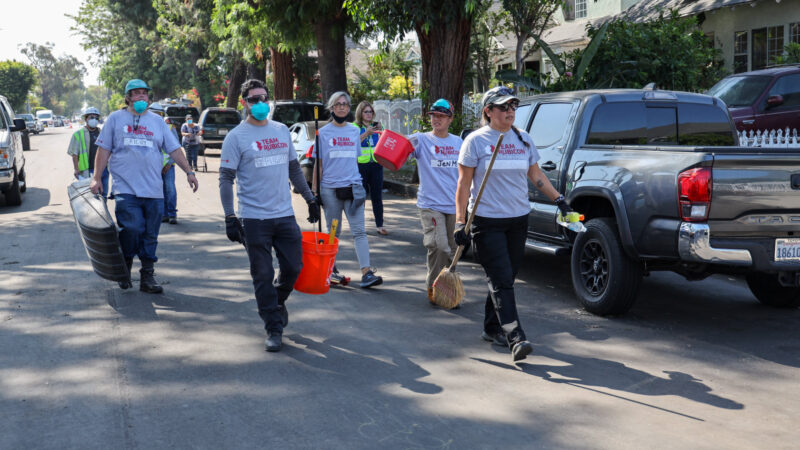
Who These Resources Are For
These resources are intended for:
- residents and families
- neighborhood leaders
- volunteers
- schools and educators
- faith-based organizations
- nonprofit partners
- public agencies
- civic groups
- youth organizations
- senior-serving organizations
- community centers
- emergency managers
- local businesses
- anyone interested in strengthening community resilience
How to Use These Resources
You are welcome to use these tools for personal preparedness, neighborhood organizing, community education, volunteer training, or local resilience-building efforts.
When using or sharing Foundation resources, please credit the D’Andre D. Lampkin Foundation and direct others to this page so they can access the most current versions.
Suggested language:
Resource provided by the D’Andre D. Lampkin Foundation.
Learn more at lampkinfoundation.org/community-resilience/resources/
Have an Idea for a Resource?
The Foundation welcomes ideas for future guides, checklists, templates, and community education tools. If your neighborhood, school, agency, nonprofit, faith community, or civic group needs a practical resource to support preparedness, volunteerism, food security, disaster recovery, youth engagement, or community resilience, we invite you to reach out.
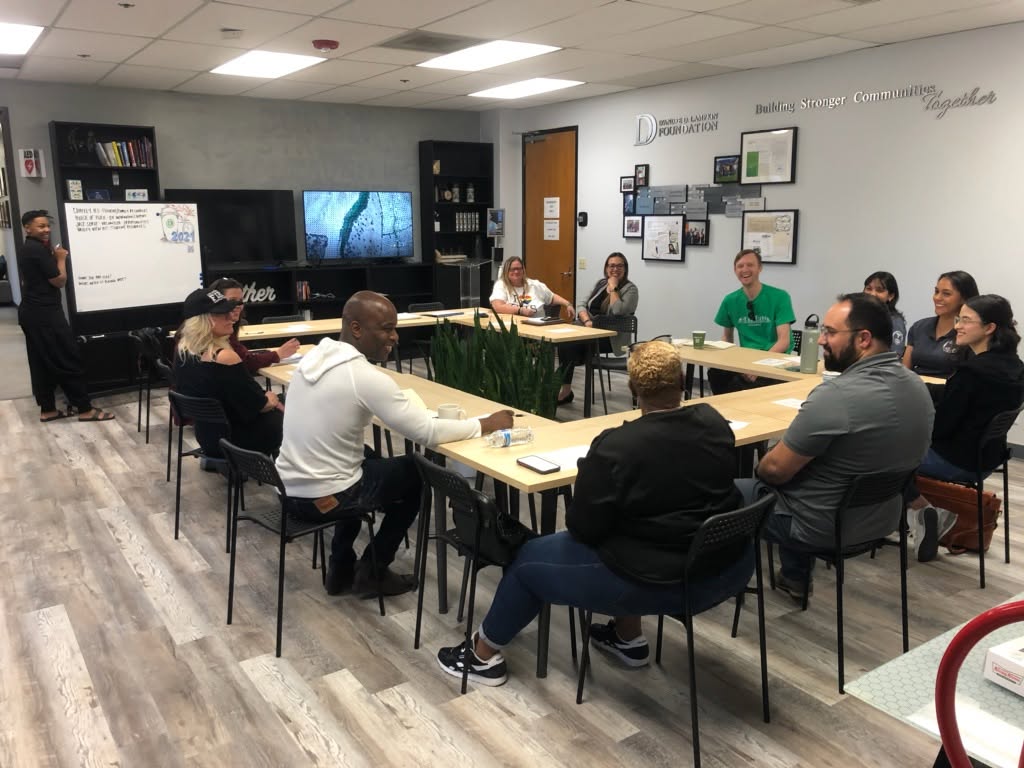
How You Can Prepare
Everyone has a role in building a more resilient community. Preparedness can begin with simple steps:
- Create a family emergency plan.
- Build or refresh an emergency supply kit.
- Know how to receive emergency alerts.
- Identify evacuation routes and meeting locations.
- Keep important documents accessible.
- Check on neighbors, older adults, and vulnerable residents.
- Learn basic first aid and safety skills.
- Volunteer with trusted community organizations.
- Stay informed before, during, and after emergencies.
Preparedness is not about fear. It is about responsibility, confidence, and care for one another.
Get Involved
You can help strengthen disaster preparedness and community resilience by volunteering, supporting preparedness education, sponsoring resilience initiatives, or partnering with the Foundation.