


Helping Communities Prepare, Respond, Recover, and Rebuild
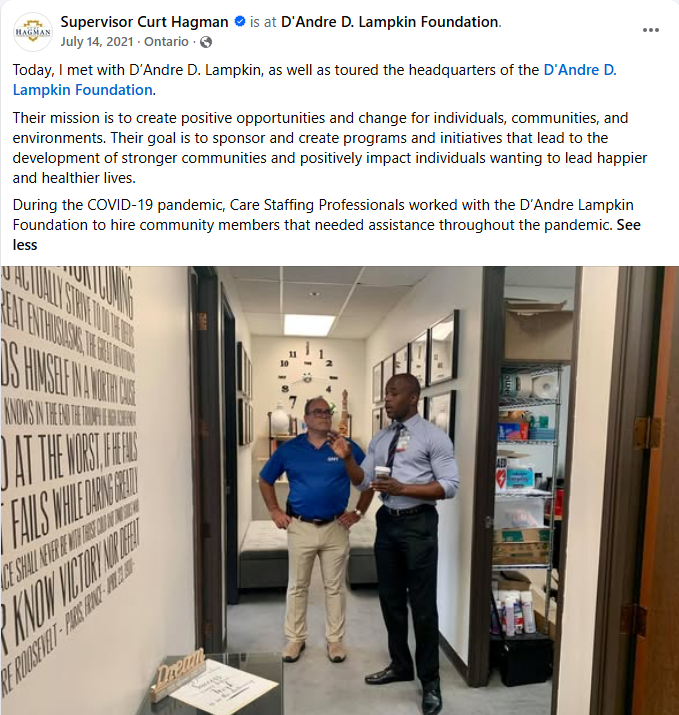
The Disaster Relief & Recovery program supports communities before, during, and after emergencies by helping people access information, resources, volunteers, partnerships, and long-term recovery support. The D’Andre D. Lampkin Foundation’s work in this area is rooted in preparedness, coordination, compassion, and the belief that resilient communities are built long before disaster strikes.
The legacy Disaster Relief Effort page already explains the Foundation’s commitment to disaster preparedness education, volunteer mobilization, collaboration with NGOs, COADs, long-term recovery groups, and the importance of coordinated recovery. It also notes the Foundation’s connection to Emergency Network Los Angeles and VOAD-style coordination, along with past recovery work connected to Hurricane Maria, the Ontario Francis Incident, the South Los Angeles 27th Street fireworks explosion, and the 2018 Southern California wildfires.
Why This Program Matters
Disasters do not affect communities equally. Families with limited resources, older adults, people with disabilities, medically vulnerable residents, renters, small businesses, children, and communities already facing economic hardship often experience the greatest challenges during response and recovery.
Preparedness, trusted communication, resource coordination, insurance education, volunteer support, and long-term recovery planning can make the difference between a temporary disruption and a life-altering crisis.
The Disaster Relief & Recovery program exists to help communities become more informed, connected, and prepared — while also supporting recovery efforts when disaster survivors need help navigating the difficult road back to stability.
What the Foundation Does
Through this program, the Foundation supports disaster resilience through several areas of work:
Community Preparedness Education
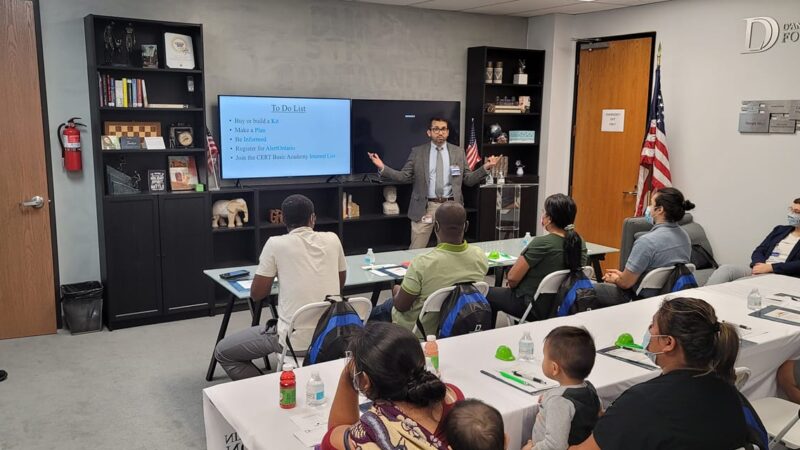
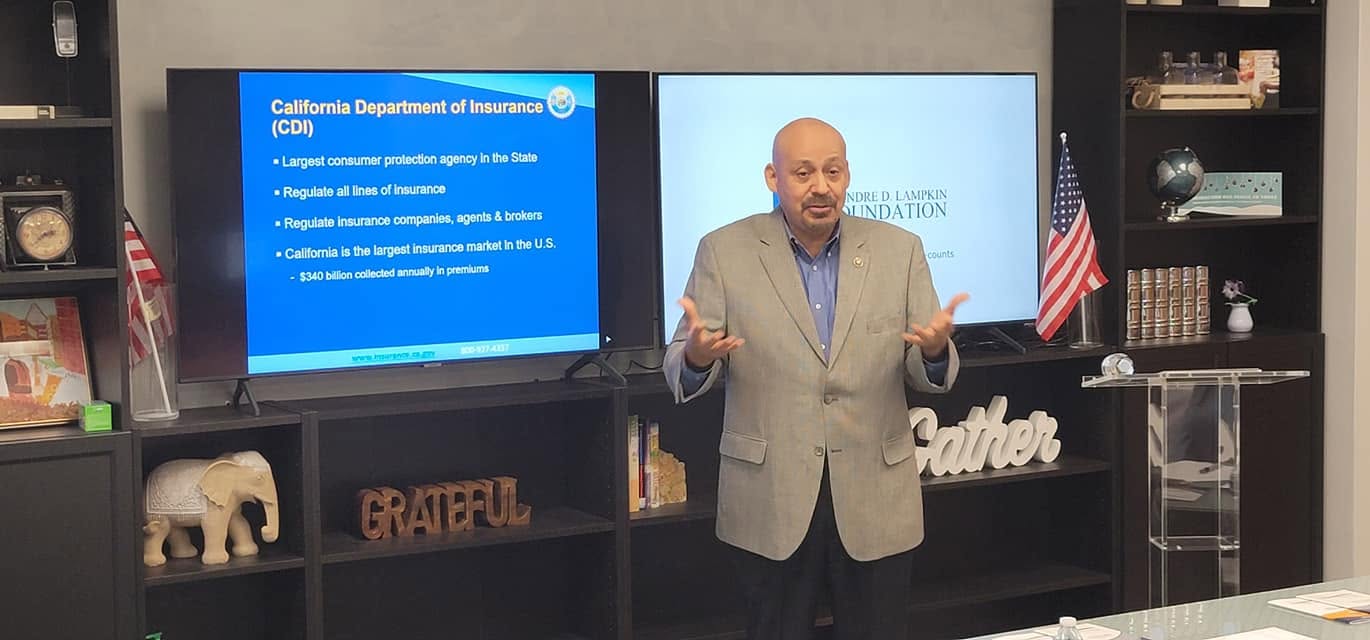
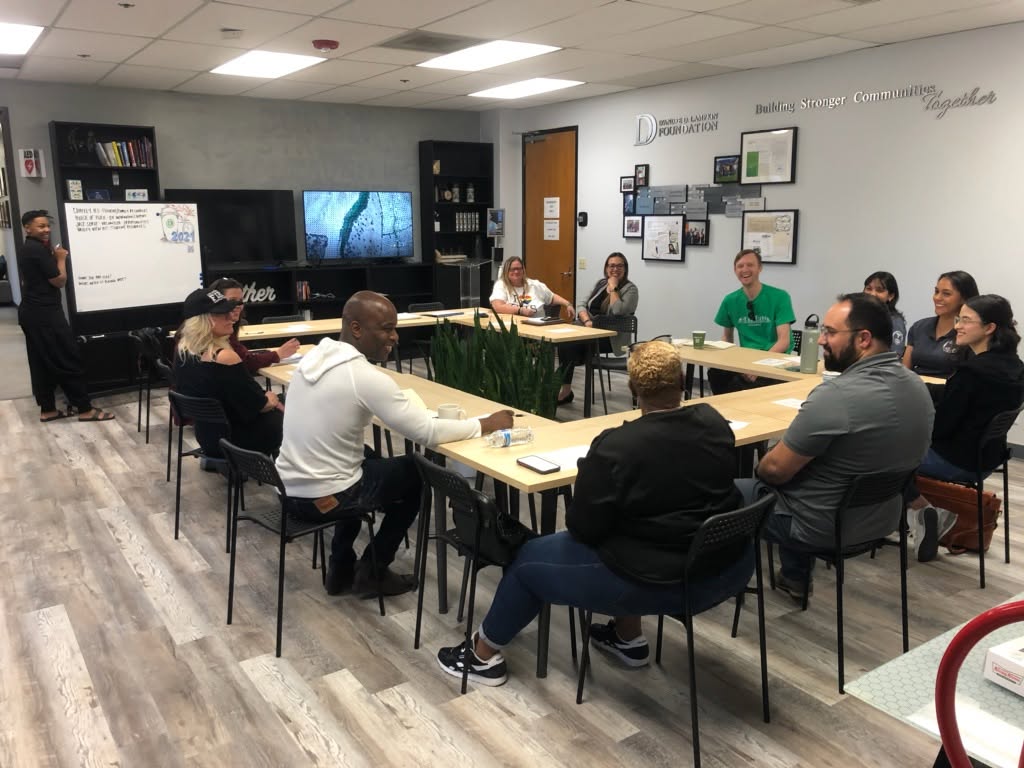
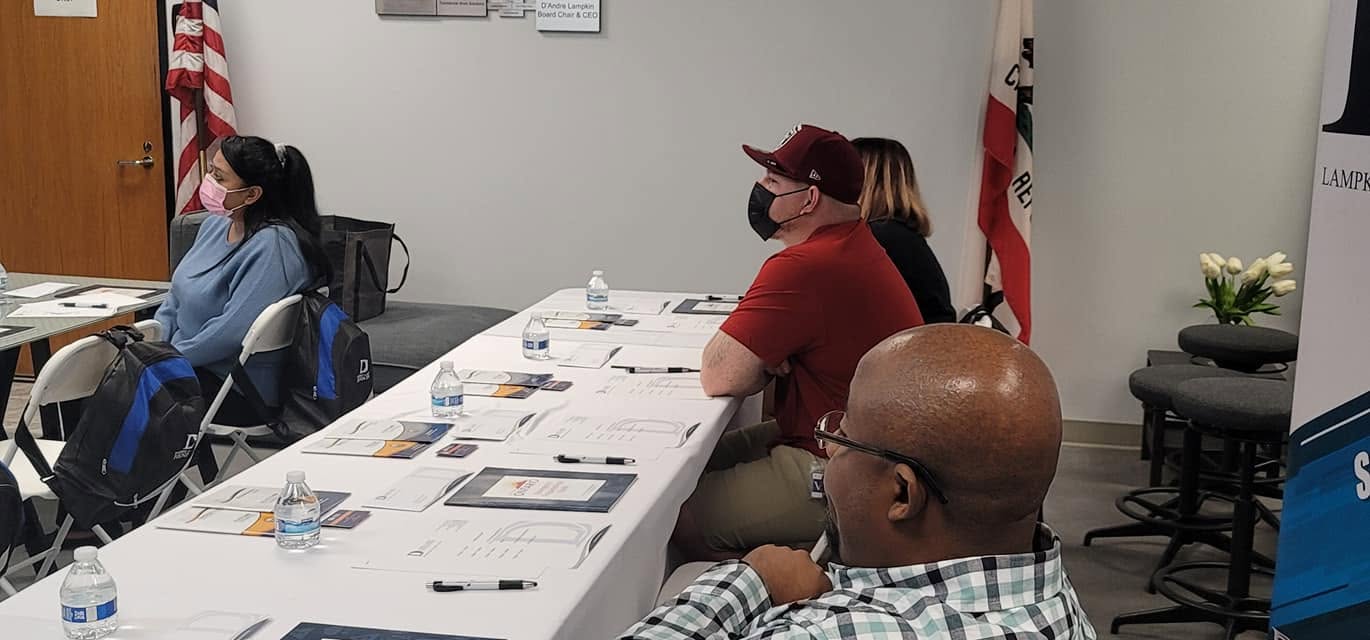
The Foundation hosts and supports public presentations, workshops, and educational events that help residents better understand emergency preparedness, recovery planning, insurance issues, household readiness, and community coordination.
Past preparedness presentations have included subject-matter experts and public agency partners such as representatives connected to the California Insurance Commissioner, United Policyholders, and emergency managers including Sagar Patel from the City of Ontario. United Policyholders provides disaster recovery and insurance claim guidance resources through its Roadmap to Recovery® and disaster recovery help programs, making it a valuable educational partner for communities trying to understand insurance and recovery challenges after disaster.
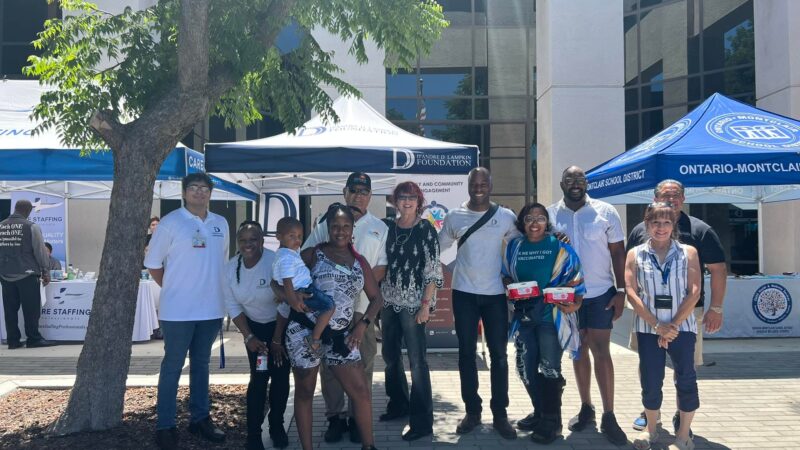
The Foundation has also supported community-facing preparedness activities such as fire truck displays with the Ontario Fire Department, helping families and young people connect preparedness education with public safety awareness in a more engaging way.
Disaster Relief and Volunteer Mobilization
The Foundation mobilizes volunteers and community partners to support relief efforts when communities are affected by disasters. This may include helping coordinate donated goods, supporting outreach, assisting with resource navigation, and connecting residents with verified community partners.
The legacy page specifically notes the Foundation’s focus on mobilizing volunteers to assist with relief efforts during and after disasters, including support such as distributing food, water, essential supplies, and offering guidance to those in need.
Recovery Partnerships and Coordination
Disaster recovery requires cooperation across nonprofits, public agencies, faith-based organizations, businesses, volunteers, and community leaders. The Foundation’s legacy disaster relief page explains its work with NGOs, COADs, and long-term recovery groups, as well as its role in helping coordinate resources and support disaster recovery efforts.
This work aligns with the Foundation’s broader commitment to collaborative, community-centered recovery.
Long-Term Recovery Support
Recovery does not end when the news coverage fades. Survivors may continue facing housing challenges, insurance questions, financial hardship, emotional stress, documentation needs, and resource gaps for months or years after a disaster.
The Foundation supports the idea that recovery is a process and that communities need sustained coordination, trusted information, and support long after the initial response phase. The legacy page also emphasizes the importance of long-term recovery groups and the need to address psychological and emotional impacts after disaster.
Youth and Family Preparedness Engagement
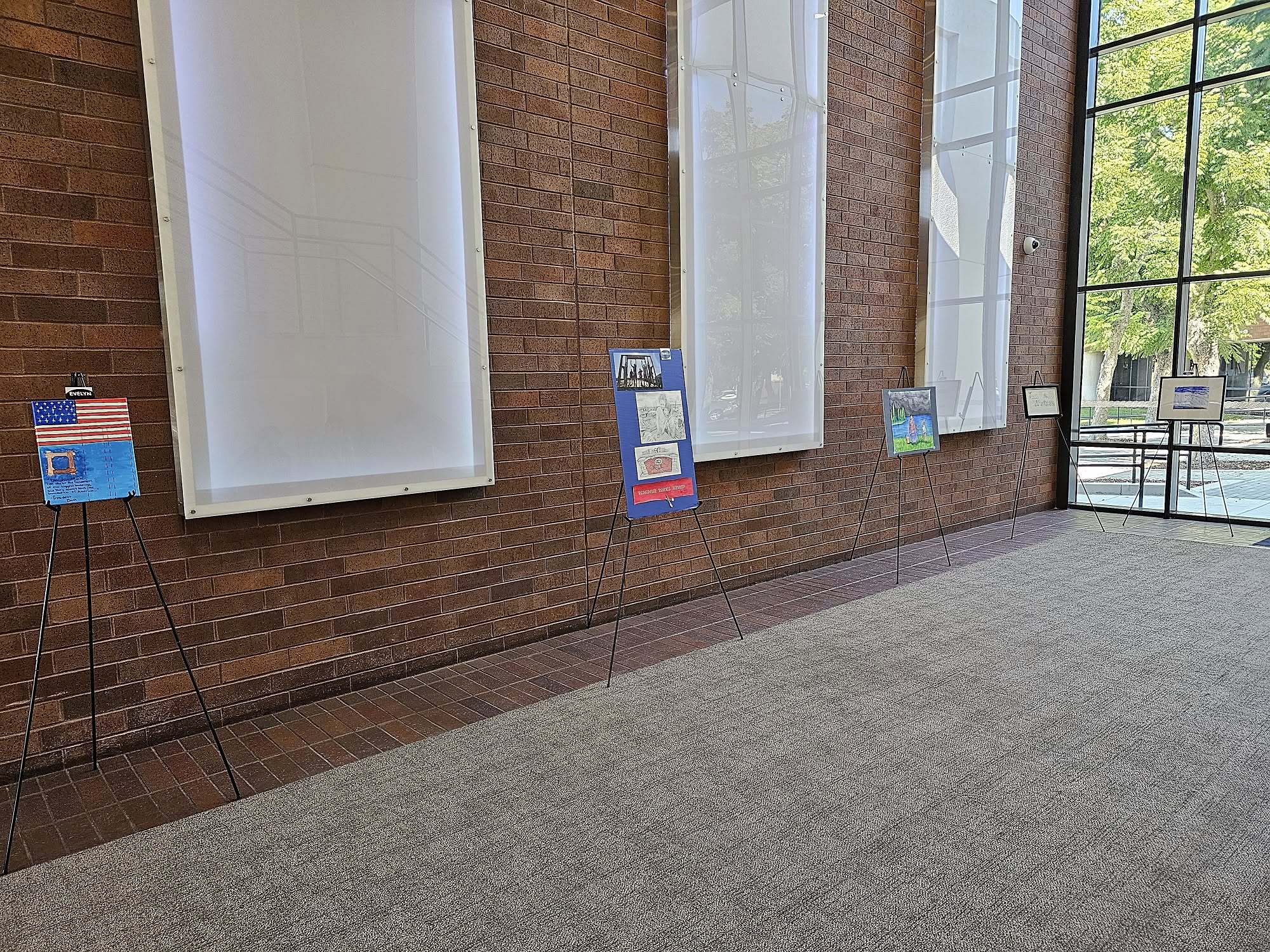
The Foundation has also used creative approaches to help young people and families think about disaster preparedness. Past efforts included a disaster preparedness art competition, encouraging youth and community members to express preparedness, safety, resilience, and recovery through creativity.
This type of engagement helps make emergency preparedness more accessible, especially for families, students, and community members who may not connect with traditional preparedness materials.
Program Priorities
The Disaster Relief & Recovery program focuses on:
- emergency preparedness education
- disaster recovery support
- insurance and recovery information
- volunteer mobilization
- public agency and nonprofit coordination
- long-term recovery partnerships
- community resource connection
- youth and family preparedness
- public safety awareness
- disaster survivor support
- community resilience planning
Who This Program Serves
This program supports individuals, families, neighborhoods, and communities affected by disasters or seeking to become better prepared before emergencies occur.
It is especially focused on helping residents who may face barriers to preparedness and recovery, including families with limited resources, renters, seniors, people with disabilities, medically vulnerable residents, youth, small businesses, and communities affected by major disruptions.
Past Disaster Relief & Recovery Work
The Foundation’s disaster relief and recovery experience includes work connected to:
- Hurricane Maria recovery efforts in Puerto Rico
- the 2018 Southern California wildfires
- the Ontario Francis Incident
- the South Los Angeles 27th Street fireworks explosion
- the 2025 Los Angeles County Wildfires
- community preparedness presentations and workshops
- disaster preparedness outreach and youth engagement activities
- partnerships with disaster recovery and emergency management organizations
The D’Andre D Lampkin Foundation’s role in supporting recovery efforts is also connected to the Los Angeles Region Community Recovery Organization (LARCRO) and Woolsey Fire recovery work, as well as its membership in Emergency Network Los Angeles (ENLA).
Connection to Community Resilience
Disaster relief and recovery are central to community resilience. A resilient community is not only one that responds after disaster; it is one that prepares, builds relationships, understands risk, strengthens communication, protects vulnerable residents, and supports recovery over time.
This program connects directly to the Foundation’s work in emergency preparedness, food security, health and wellness, volunteerism, civic engagement, public safety, and long-term recovery.
Get Involved
You can help strengthen disaster preparedness and community resilience by volunteering, supporting preparedness education, sponsoring resilience initiatives, or partnering with the Foundation.