


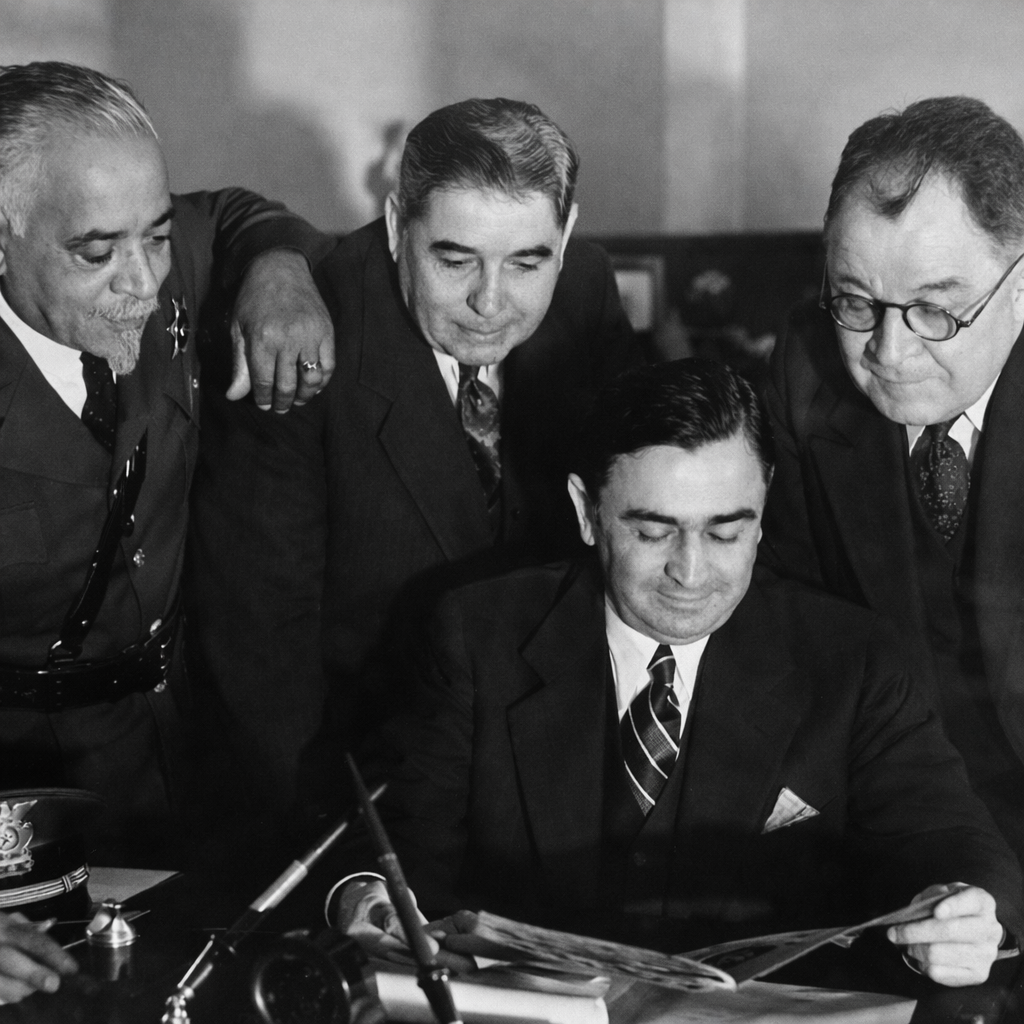
Pictured above: Deputy Julius Boyd Loving alongside Los Angeles County Sheriff Eugene Biscailuz, an image that reflects not only his presence within the Department, but his role during a defining era of its development. Julius Boyd Loving LASD history
Long before “community resilience” became a framework discussed in policy rooms or written into strategic plans, it was lived out quietly, through the actions of individuals who chose to serve with integrity, even when the system around them did not fully reflect that same commitment.
Deputy Julius Boyd Loving was one of those individuals.
Recognized in Los Angeles County Sheriff’s Department history as the first African American Deputy Sheriff, Deputy Loving served during a time when opportunities in law enforcement were not equally available to all. Yet despite those realities, he wore the badge with professionalism, discipline, and a clear sense of purpose. His work in the field of penology further distinguished him as a forward-thinking contributor to a system still finding its footing in the treatment and rehabilitation of incarcerated individuals.
But Deputy Loving’s legacy is not defined by a title alone.
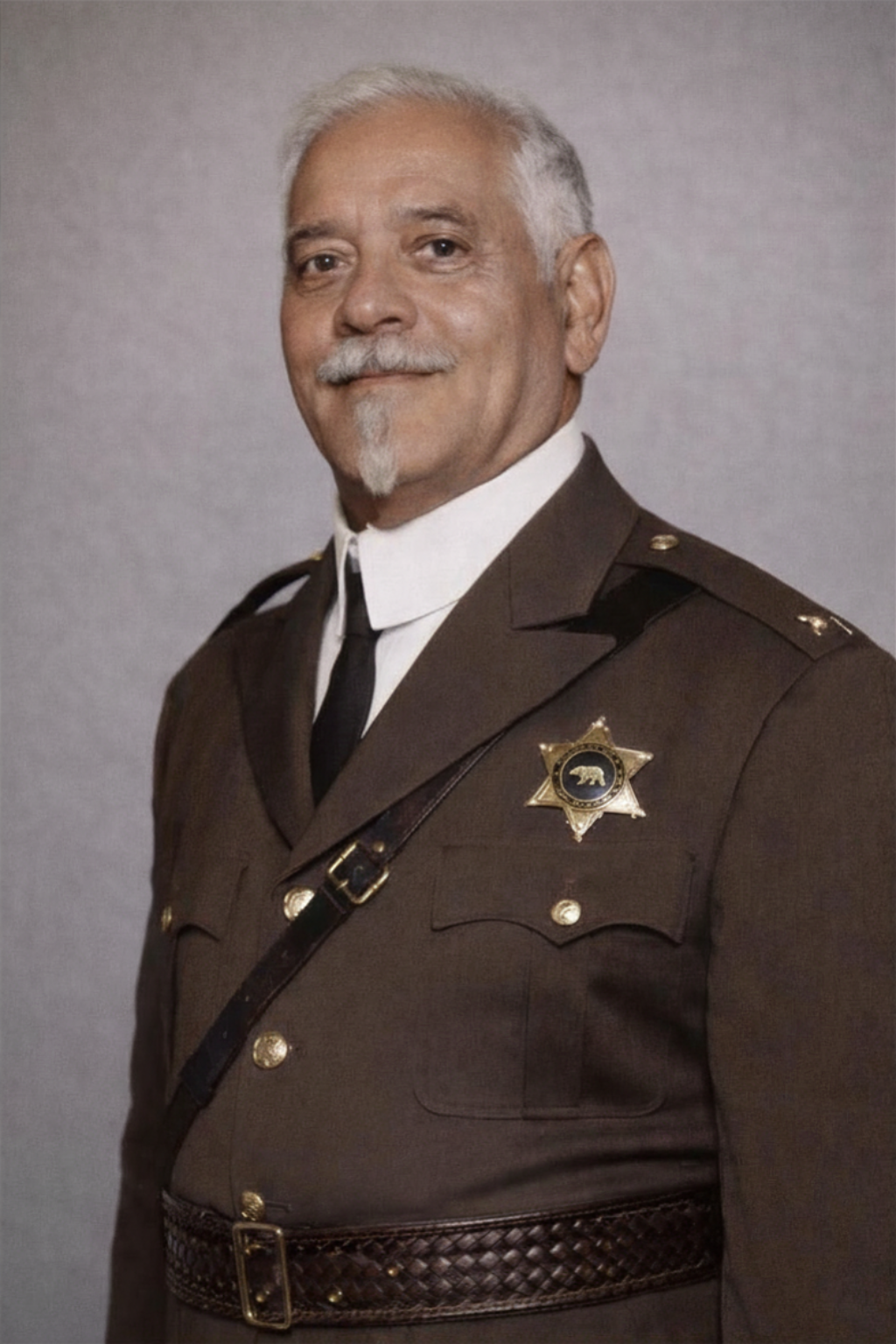
Deputy Julius Boyd Loving in uniform, representing the professionalism and service that defined his career.
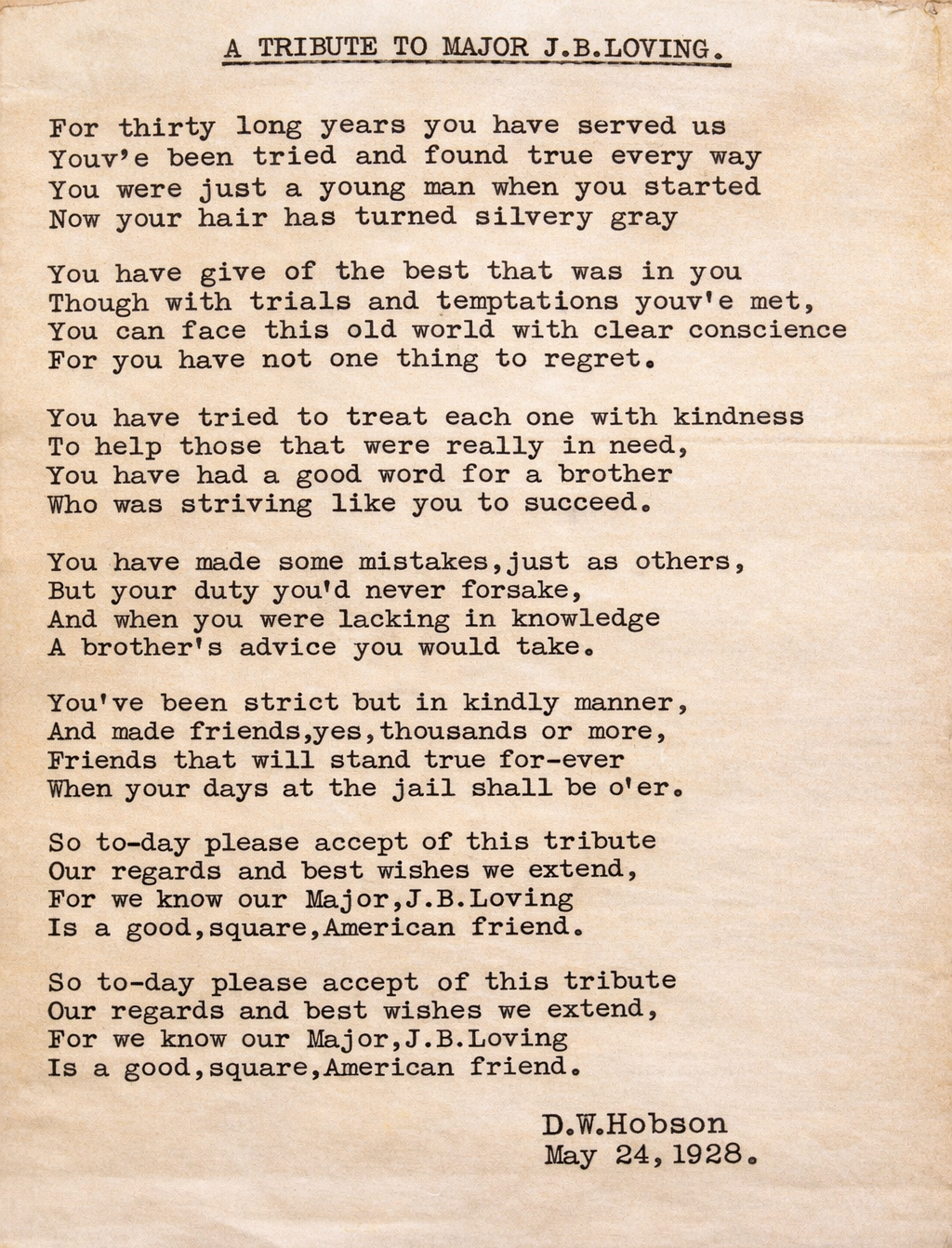
A 1928 tribute to Major J.B. Loving, reflecting the respect and admiration he earned during his lifetime.
It is defined by what it meant to serve in an era where recognition was limited, expectations were uneven, and the burden of representation often fell on a few. To show up, to perform, and to uphold the standards of the profession under those conditions required more than competence—it required resilience.
That resilience is where his story connects directly to today.
In modern conversations about law enforcement, community trust, and institutional accountability, the concept of resilience is often framed as something we must build. Yet the foundation for that resilience has always existed in the actions of those who came before us—individuals like Deputy Loving, who demonstrated that service, when grounded in integrity, can transcend the limitations of the moment.
His career reminds us that community resilience is not created overnight. It is built over time, through consistent acts of professionalism, fairness, and humanity. It is strengthened when individuals choose to treat others with dignity, even in environments where that standard is not universally upheld.
At the D’Andre D. Lampkin Foundation, community resilience is not an abstract idea, it is a commitment to building stronger, more connected communities through service, accountability, and opportunity. That commitment is rooted in the same principles Deputy Loving demonstrated throughout his life: a willingness to serve, a dedication to doing what is right, and an understanding that progress often begins with individual action.
Recently, members of the Los Angeles County Sheriff’s Department Parks Bureau located and restored Deputy Loving’s gravesite at Evergreen Cemetery as part of the Department’s 175th Anniversary. What began as an act of recognition quickly became something more, a renewed commitment to ensuring that his contributions are not only remembered, but understood.
On April 16, 2026, a memorial ceremony will be held at Evergreen Cemetery in Los Angeles to honor Deputy Loving’s life and legacy. The gathering will bring together representatives from law enforcement agencies, community organizations, faith-based institutions, and historical partners, reflecting the very connection between service and community that defined his career.
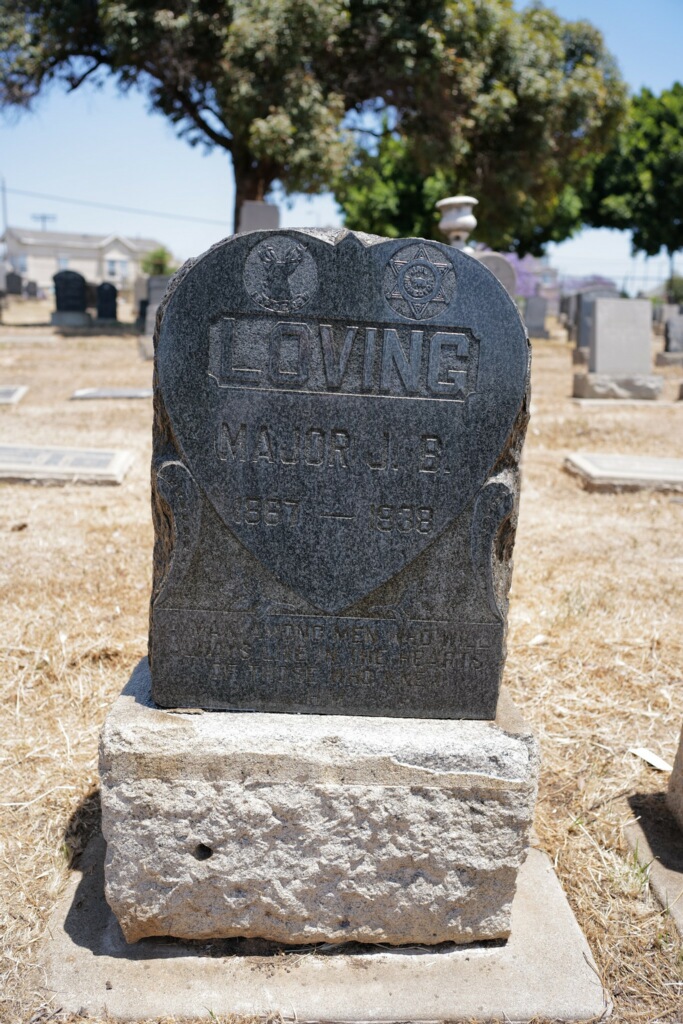
Julius Boyd Loving headstone as a tribute to his life and legacy at Evergreen Cemetery in Los Angeles.
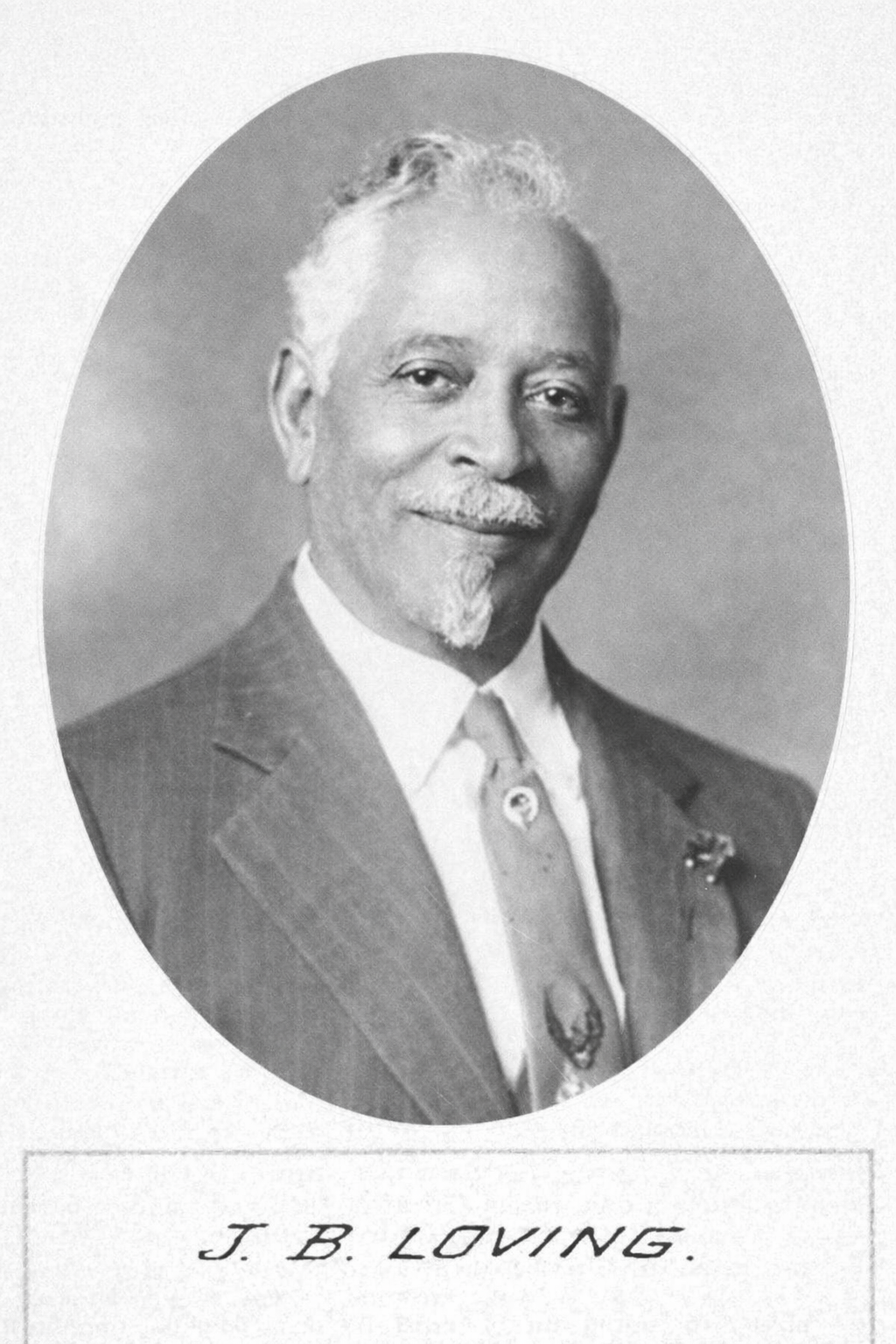
Nearly a century later, the legacy of Deputy Julius Boyd Loving continues to shape the understanding of service and resilience in law enforcement.
With support from the Los Angeles County Sheriff’s Museum, historical photographs of Deputy Loving will also be displayed, offering a powerful reminder that history is not distant. It is personal. It is visible. And it continues to shape the present.
Nearly a century after his passing, Deputy Loving’s story still speaks.
It speaks to the responsibility carried by those who wear the badge today.
It speaks to the importance of recognizing those whose contributions were not always fully acknowledged in their time.
And it speaks to the understanding that the strength of any institution is built on the character of the individuals who choose to serve within it.
Deputy Loving’s service reminds us that the history of this department is not only written in reports and records, it is written in the courage of those who wore the badge before us.

Leave a Reply
You must belogged in to post a comment.