

Research & Insights

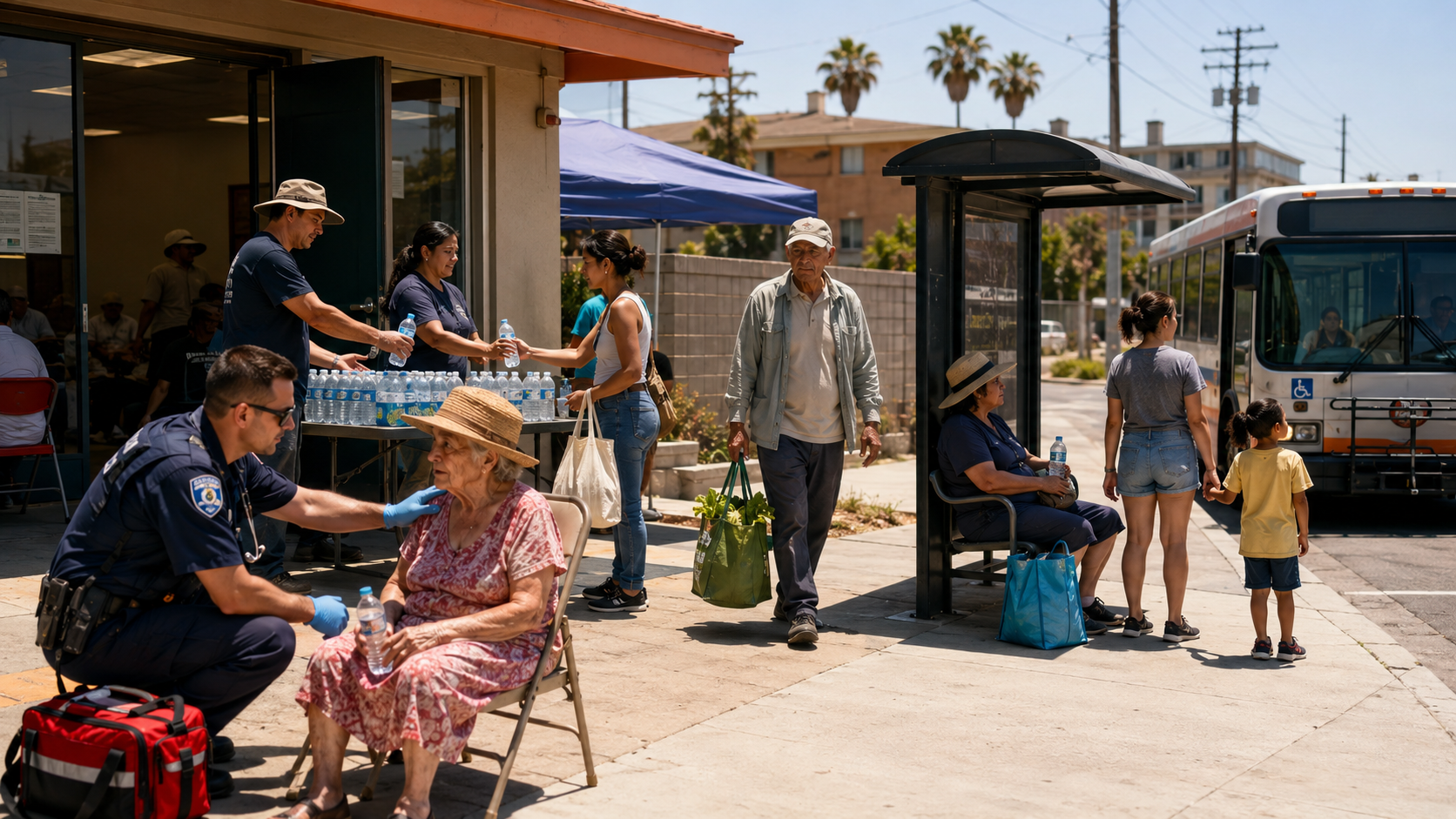
Community workers provide water, medical assistance, and transportation support to vulnerable residents during an extreme heat emergency.
From Cooling Centers to Community Lifelines: Rethinking Heat Response for Vulnerable Residents 1024 576 Stories That Build

From Cooling Centers to Community Lifelines: Rethinking Heat Response for Vulnerable Residents

In Southern California, extreme heat is rarely an abstract future risk. It is something residents experience through the heat radiating from pavement, the strain of an air conditioner running for…

read more
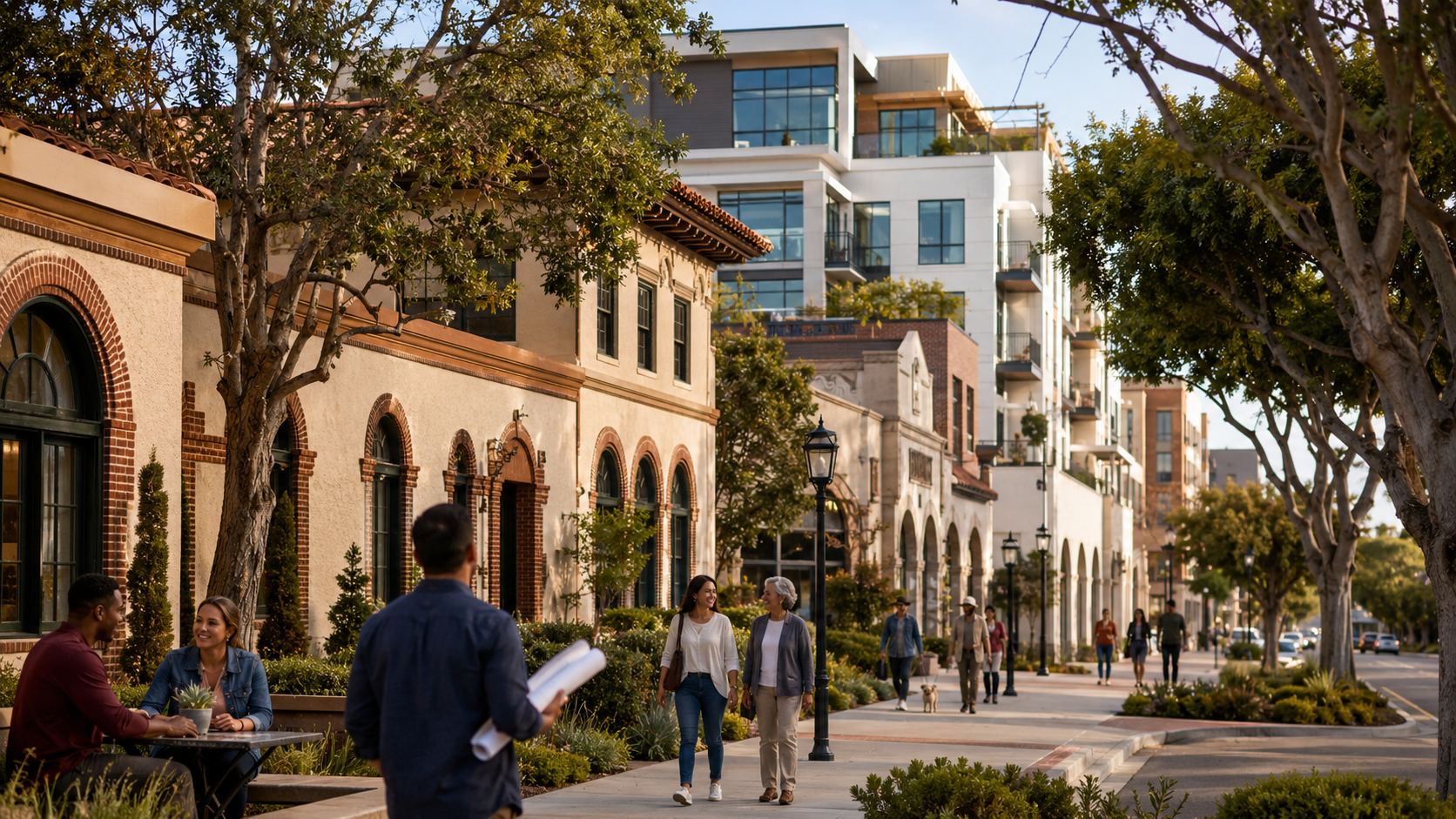

Historic neighborhood architecture alongside thoughtfully integrated modern development, illustrating historic preservation, community resilience, and responsible urban growth.
Historic Preservation and Community Resilience: Protecting Memory While Planning for Growth 1024 576 D'Andre Lampkin

Historic Preservation and Community Resilience: Protecting Memory While Planning for Growth

Historic Preservation and Community Resilience: Protecting Memory While Planning for Growth Cities are never static. They grow, redevelop, absorb new populations, respond to economic pressures, and adapt their physical environments…

read more
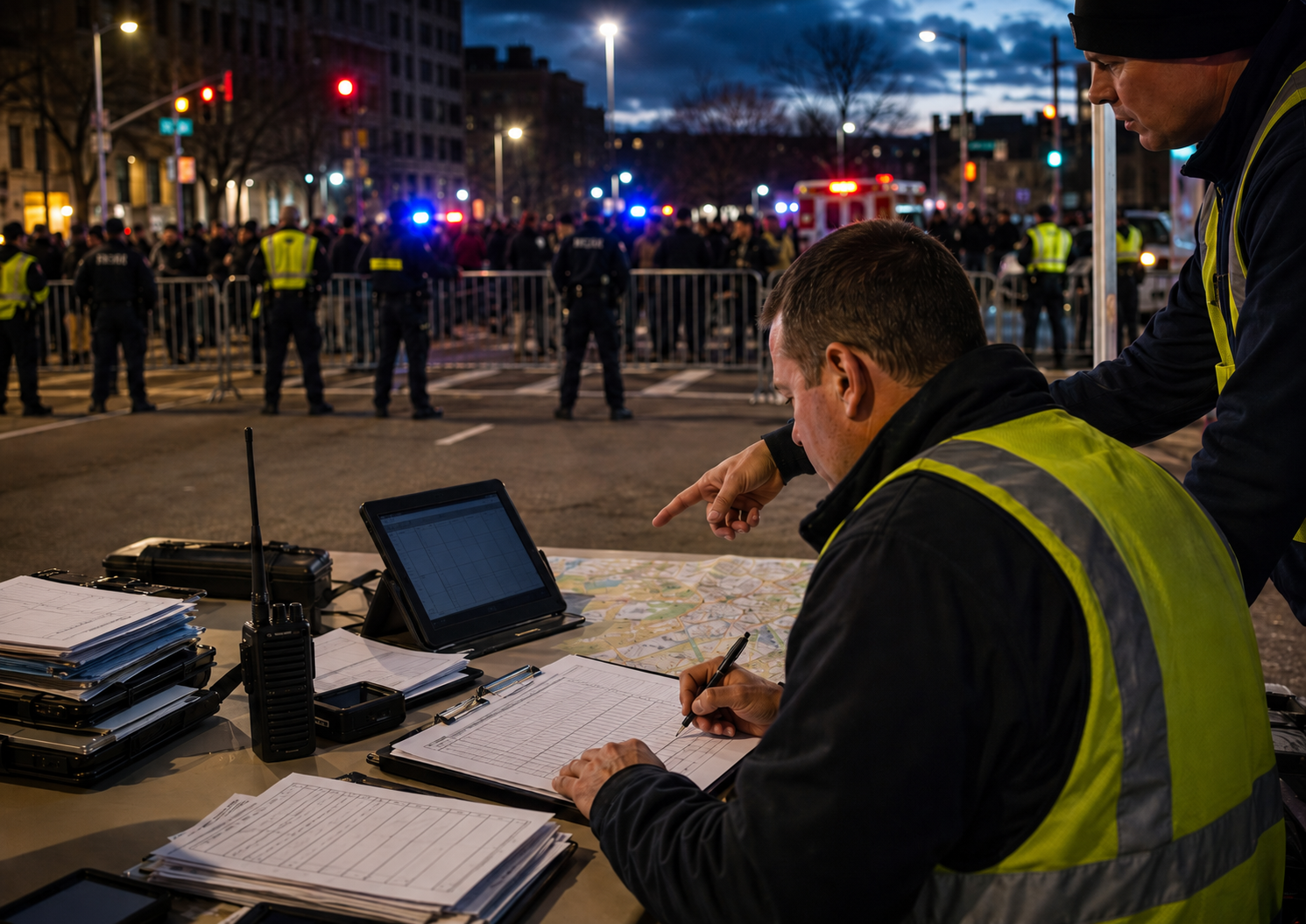
ICS-214 activity logs Emergency response personnel completing incident documentation at a field command post during a civil unrest deployment.
Civil Unrest Documentation and Cost Recovery: Why ICS-214 Logs Matter 1024 725 D'Andre Lampkin

Civil Unrest Documentation and Cost Recovery: Why ICS-214 Logs Matter

ICS-214 activity logs are among the most important—and most frequently underestimated—records created during civil unrest, disasters, and other emergency deployments. Documentation is not bureaucracy; it is the memory and accountability…

read more
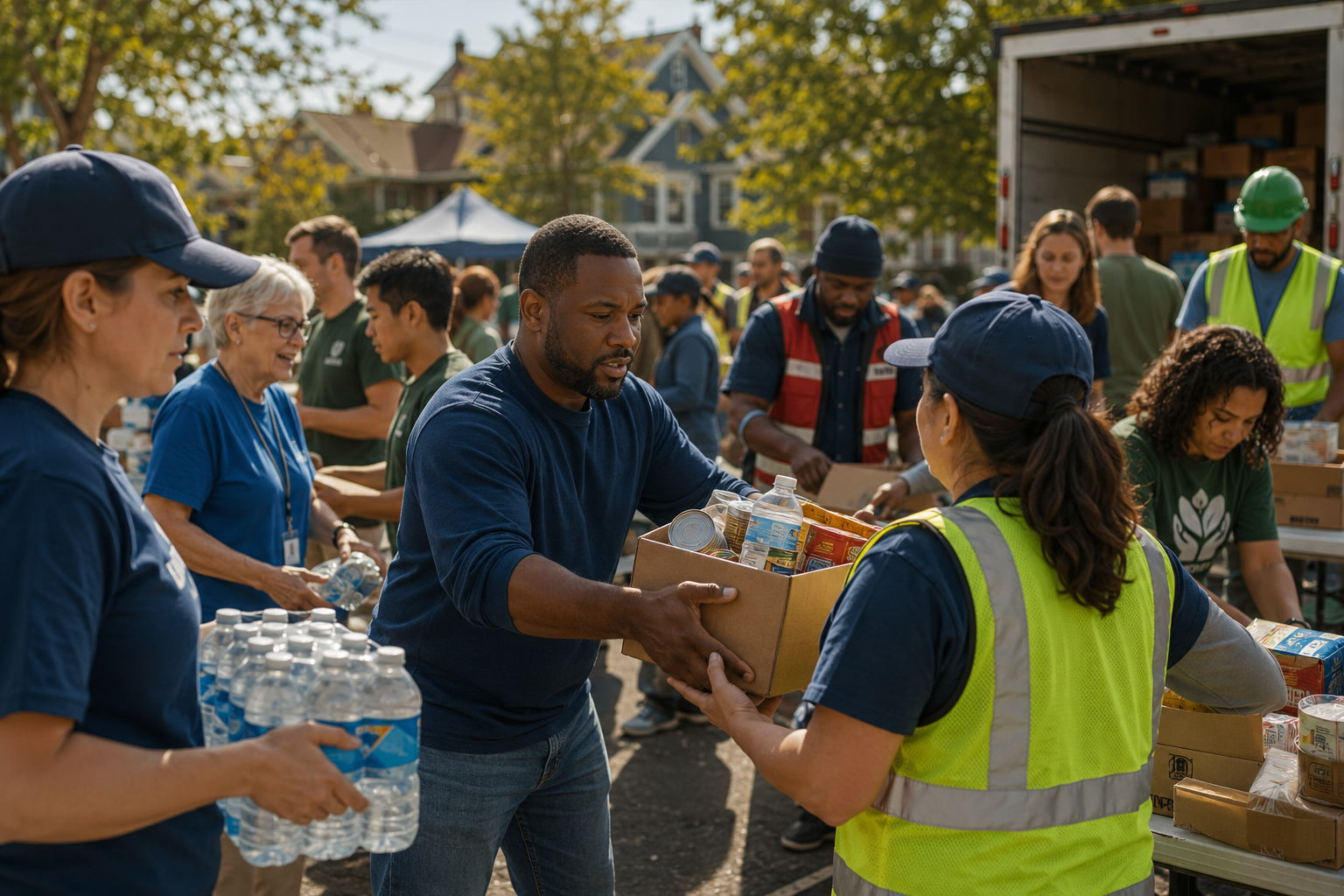
Community volunteers and emergency partners distributing disaster relief supplies during a neighborhood response operation
Mutual Aid, Nonprofits, and the Whole-Community Doctrine 1024 683 Stories That Build

Mutual Aid, Nonprofits, and the Whole-Community Doctrine

Disasters reveal an uncomfortable truth about public institutions: even the most capable government agencies cannot independently provide every resource, service, relationship, and specialized skill a community will need during a…

read more
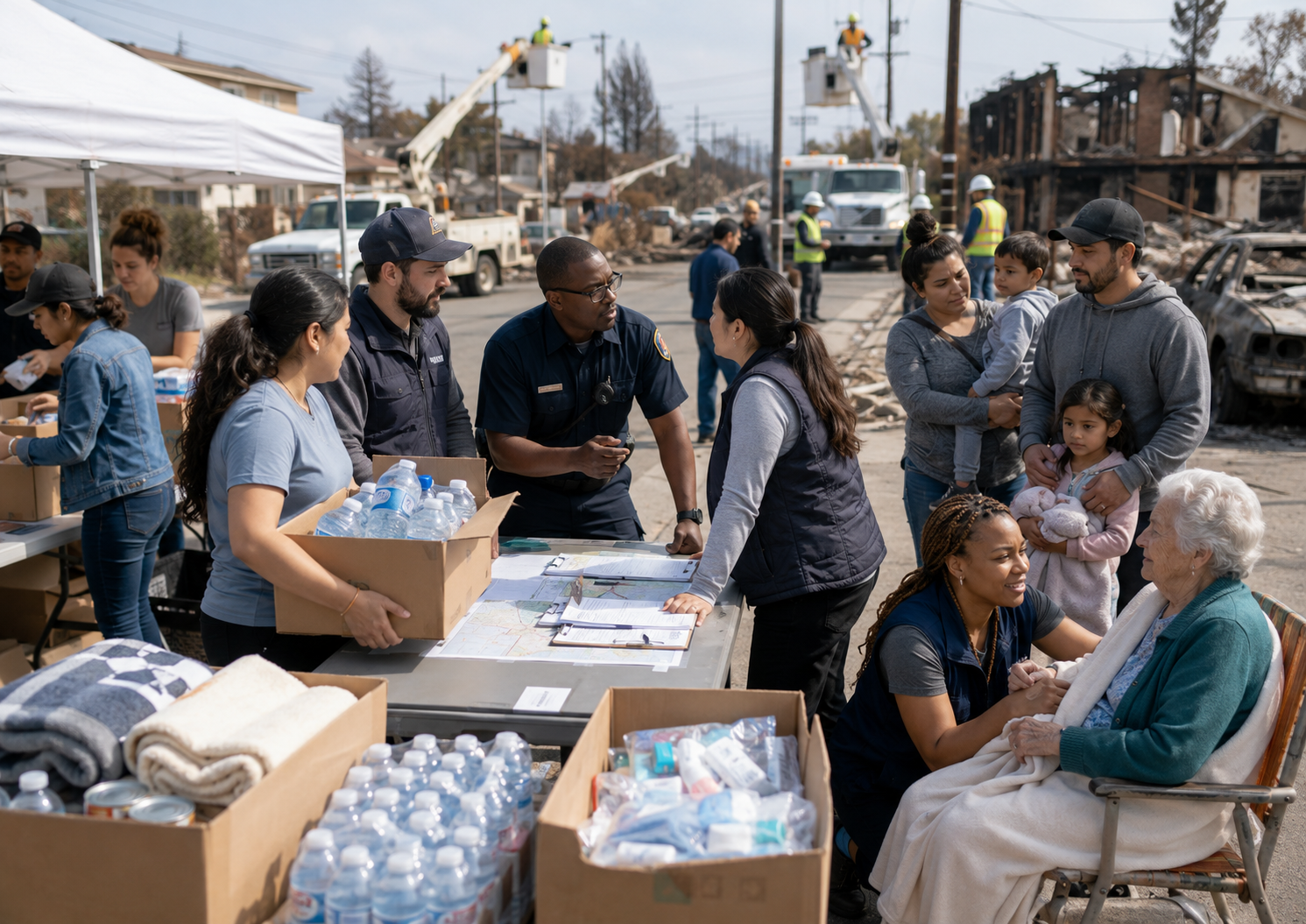
Nonprofit volunteers and emergency responders coordinate disaster relief, distribute supplies, and assist families and older adults in a damaged community.
Nonprofits as Force Multipliers in Disaster Response 1024 725 D'Andre Lampkin

Nonprofits as Force Multipliers in Disaster Response

Nonprofits in disaster response serve as force multipliers by extending public-sector capacity, connecting emergency agencies with trusted community networks, and supporting survivors throughout long-term recovery. Disaster response is most visible…

read more
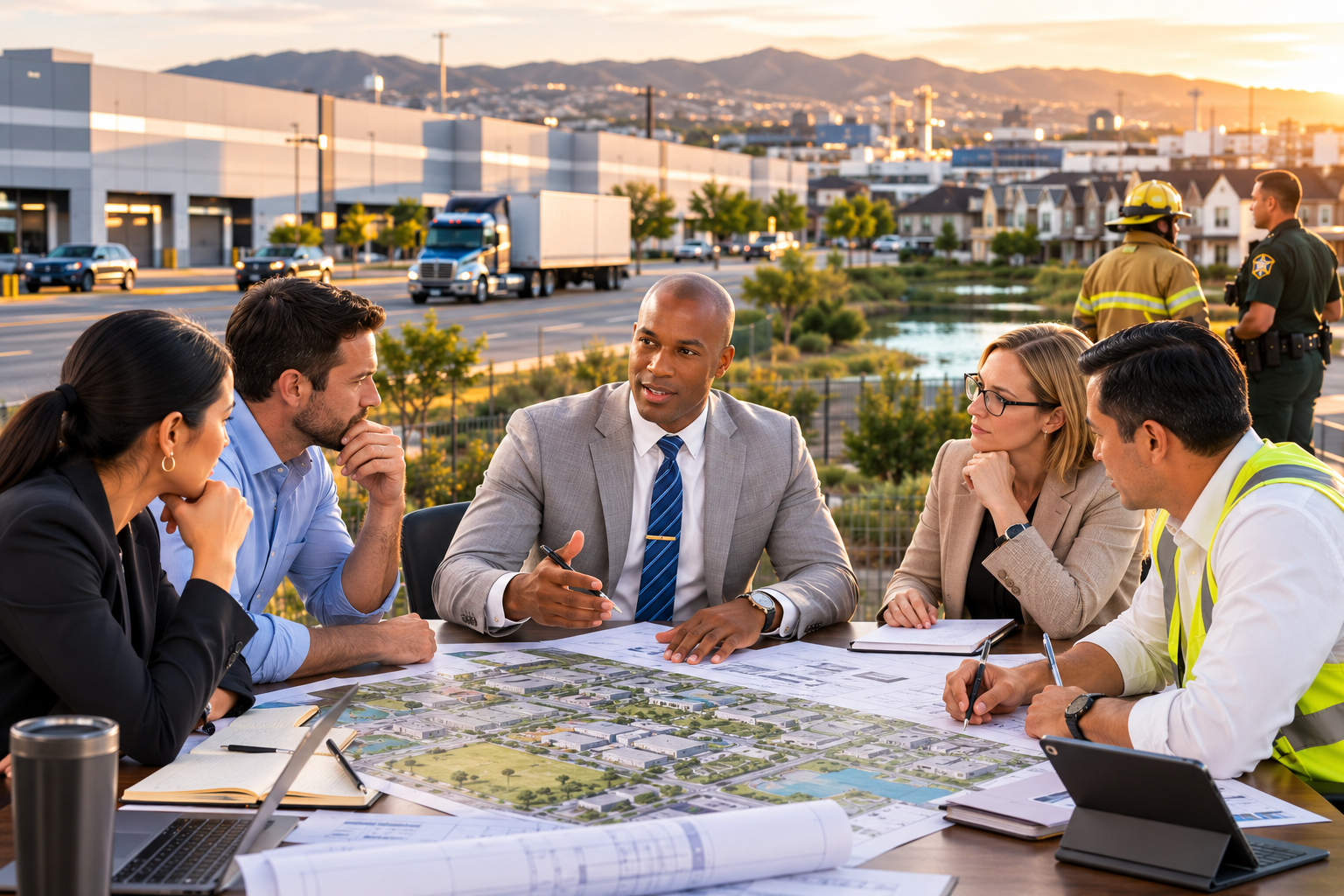
Planning professionals and emergency responders collaborate on land-use planning near industrial facilities, residential neighborhoods, and critical infrastructure to support economic growth, environmental stewardship, and community resilience.
Industrial Land Use and Community Resilience: Planning for Economic Growth While Reducing Disaster Risk 1024 683 D'Andre Lampkin

Industrial Land Use and Community Resilience: Planning for Economic Growth While Reducing Disaster Risk

Introduction Industrial land uses have played a fundamental role in the growth of American communities for generations. Manufacturing facilities, distribution centers, logistics hubs, warehouses, public utilities, and industrial service providers…

read more
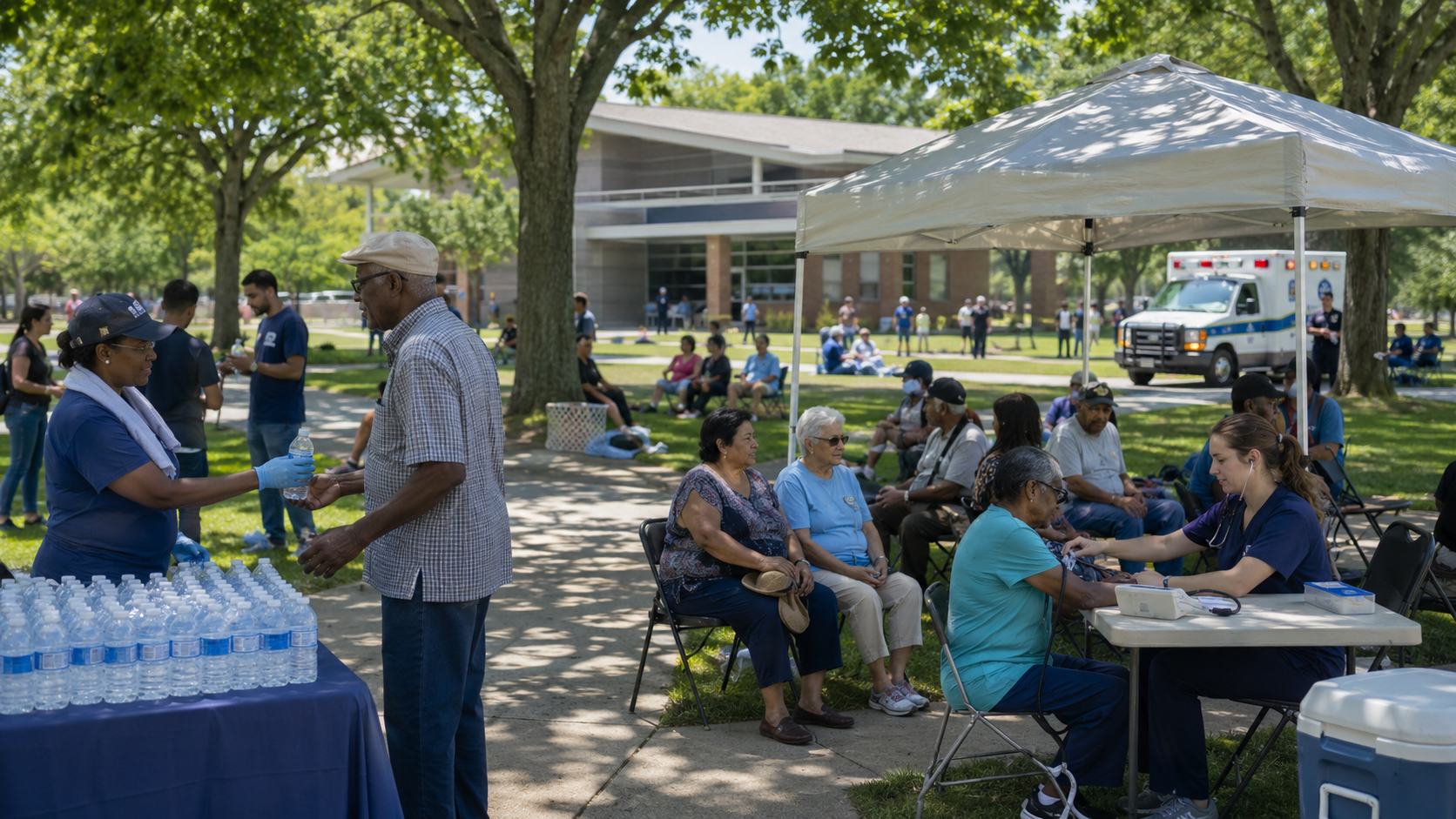
Community members receive water, shade, and wellness checks in a public park being used as a resilience hub during a crisis.
Parks as Resilience Infrastructure: Why Public Spaces Matter During Crisis 1024 576 D'Andre Lampkin

Parks as Resilience Infrastructure: Why Public Spaces Matter During Crisis

When communities think about disaster infrastructure, they often imagine fire stations, hospitals, emergency operations centers, bridges, power grids, evacuation routes, and communication systems. Those assets are essential. Yet one of…

read more
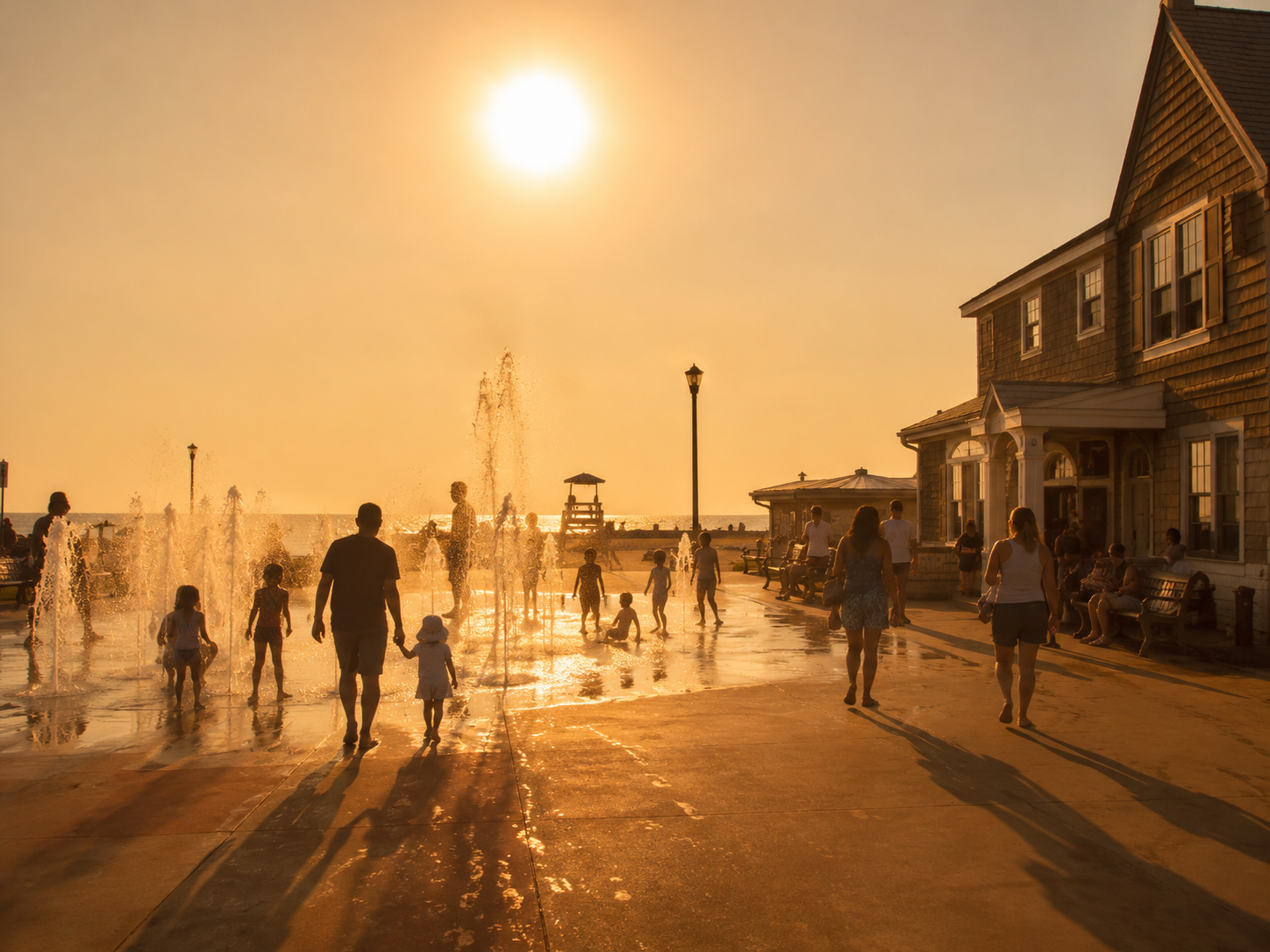
Families cool off at a seaside splash pad under hazy orange skies during an extreme heat event.
Extreme Heat as a Mass-Care Emergency: Why Cooling Centers Are Not Enough 1024 768 D'Andre Lampkin

Extreme Heat as a Mass-Care Emergency: Why Cooling Centers Are Not Enough

Abstract Extreme heat is often treated as a public-information problem: issue an alert, open cooling centers, advise residents to hydrate, and wait for the weather to pass. The current U.S.…

read more
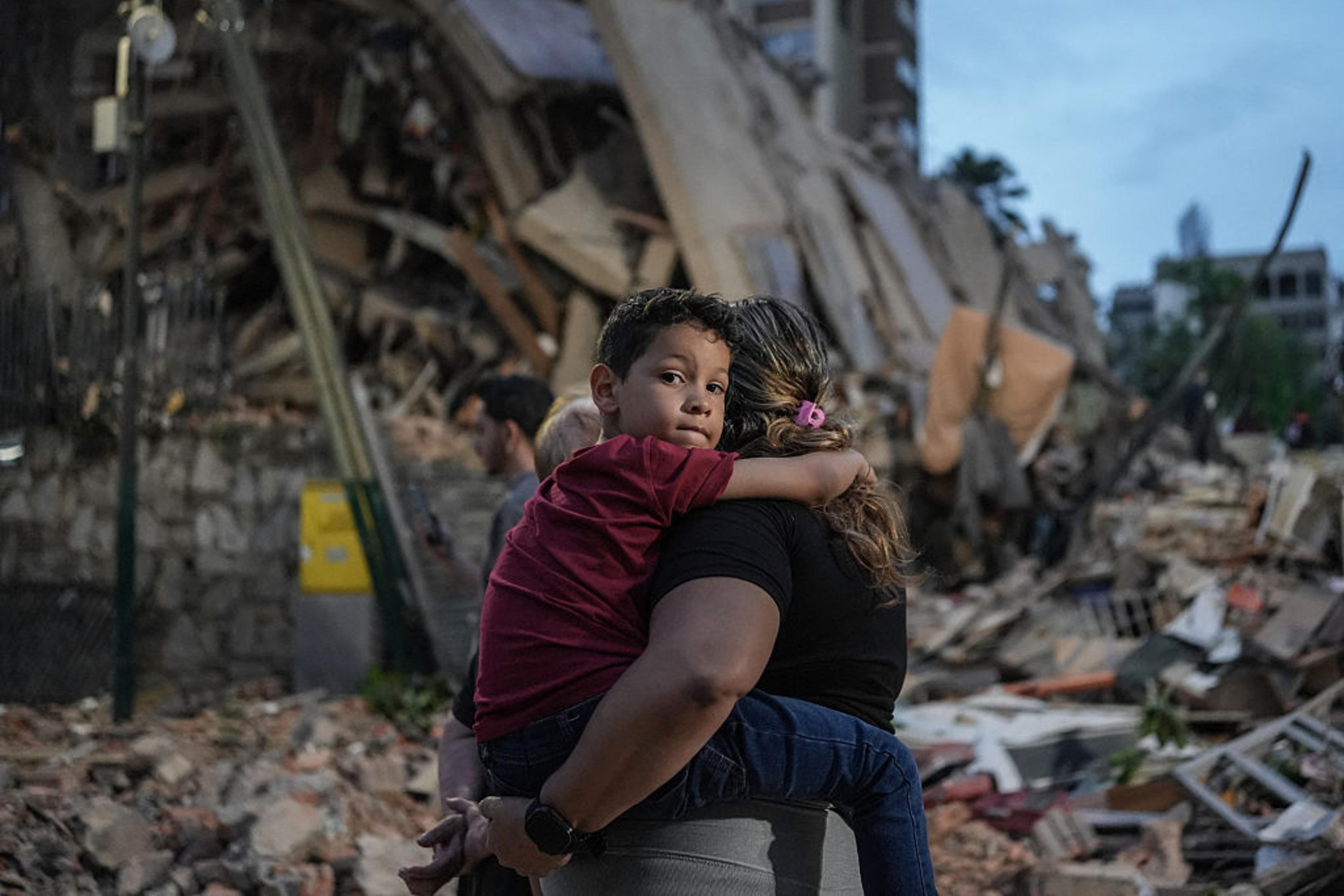
A young child being carried past collapsed buildings after Venezuela’s 2026 earthquake
When the Ground Becomes a Teacher: Disaster Preparedness, Venezuela’s 2026 Earthquake, and the Lessons of Lisbon 1024 683 Stories That Build

When the Ground Becomes a Teacher: Disaster Preparedness, Venezuela’s 2026 Earthquake, and the Lessons of Lisbon

Manaure Quintero—AFP/Getty Images How historical memory, modern response systems, and resilient recovery can help shape what comes next Abstract The 2026 Venezuela earthquake sequence is still unfolding as a humanitarian…

read more

    Your Name (required)


    Your Email (required)


    Subject


    Your Message